Social
Lower employment and education.
35.5%employed (2017)
People with disabilities are 22.3% less likely to complete high school.
SOURCE: CDC, SCOPE


The Afternoon Edition · FEATURE
TODAYGAME DESIGN
A game that reframes disability as strength.
01
The class down the hall
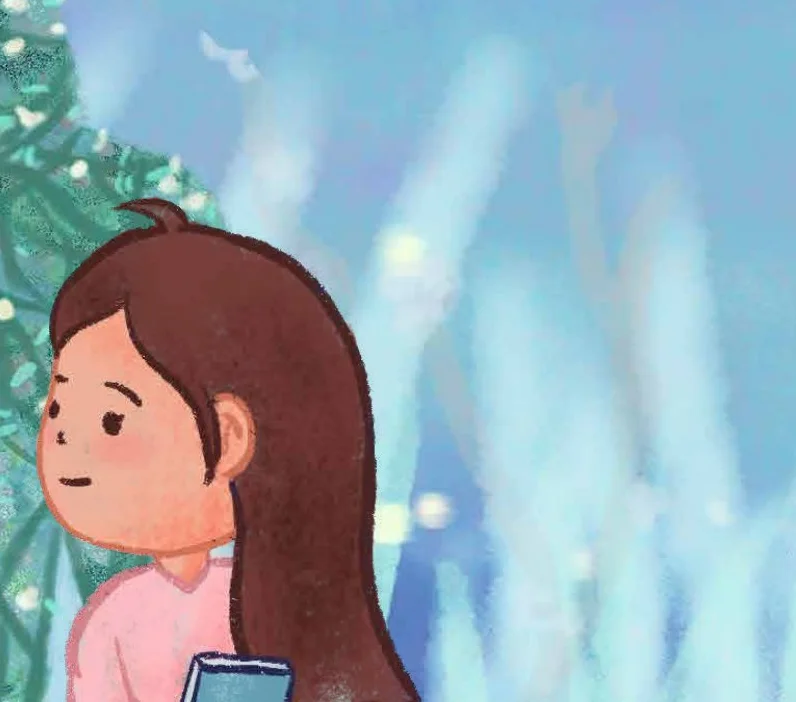
During my middle school years, I had my first encounter with disabled people when I came across a Developmental Disabilities Program (DDP) class. Being curious, I wanted to know more about them. What made their class different from ours? What kind of special attention did they require? What challenges did they face, and how did they live their lives?
How much do you know about people with disabilities?
Over the years, society’s attitudes towards people with disabilities have improved significantly. Through advocacy and awareness, people have come to understand that we are all equal, and that the unique qualities of individuals with disabilities make them special.
16% of the world population have disabilities
18% of the disabled population are children
02
What stands in the way
People with disabilities face barriers that limit their independence and quality of life.
Every challenge has a strength on the other side.
03
Everyone is born with a special ability
Everyone is born with a special ability. What’s yours, and how can it change the world?
Adventure Buddies celebrates diversity and the contributions of individuals with different abilities. By featuring characters with various disabilities, it shows that everyone has unique skills and talents that are valuable when working together. Cooperative gameplay and puzzles that need different abilities to solve let players see firsthand how diverse teams achieve amazing things, and teach the importance of acceptance and teamwork in reaching common goals.
Ensure the game is accessible to players with varying abilities, including those with intellectual disabilities.
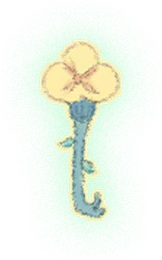
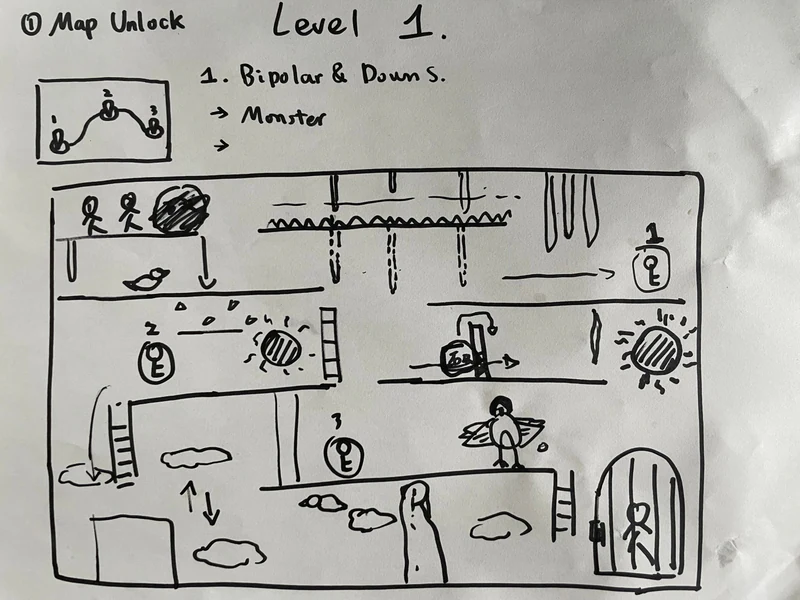
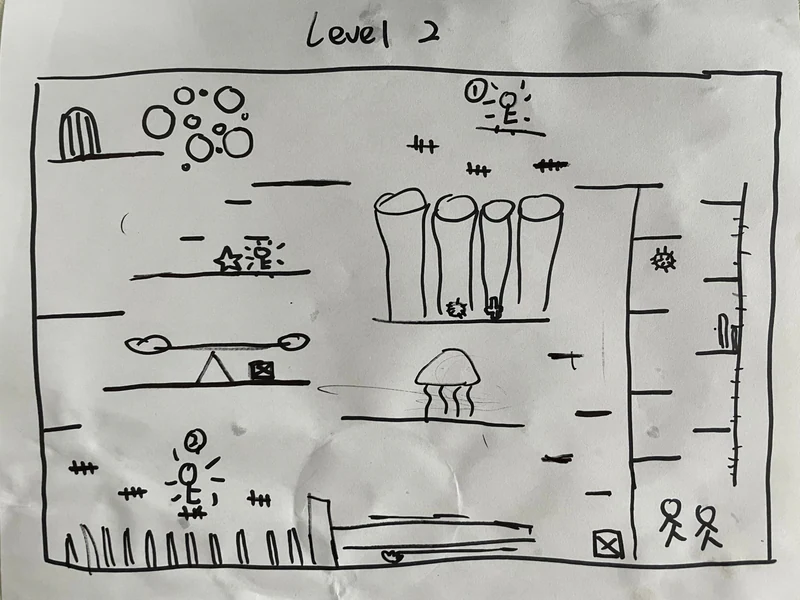
Players decide the best action or character to use in each scenario, which takes strategic planning and an understanding of each character’s strengths. Two players must work together and use their abilities to solve puzzles and challenges. The goal is to collect three keys and save your friend. And try not to die.
The hand-drawn artwork mirrors the characters’ perspectives, presenting a world that is not tidy, straightforward or strictly structured. Instead, they perceive a lively, intricate setting filled with genuine emotions. The colors avoid shades like red or yellow that may provoke strong reactions, favoring soothing, neutral tones.
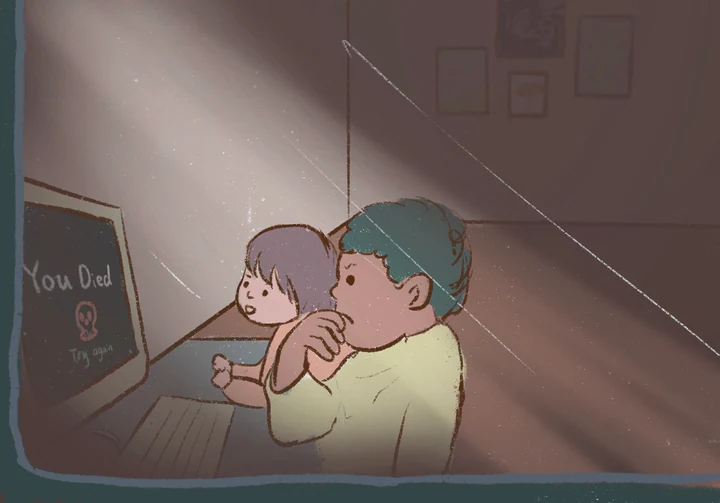
1Two kids gathered to play a video game on a sunny afternoon.
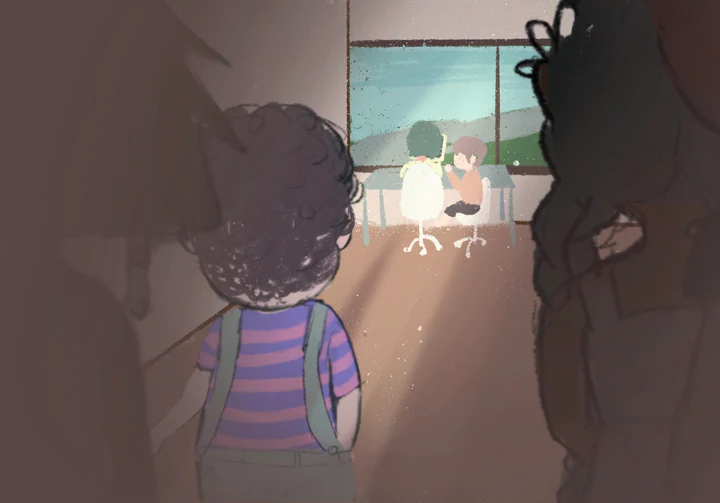
2It draws attention to a group of kids.
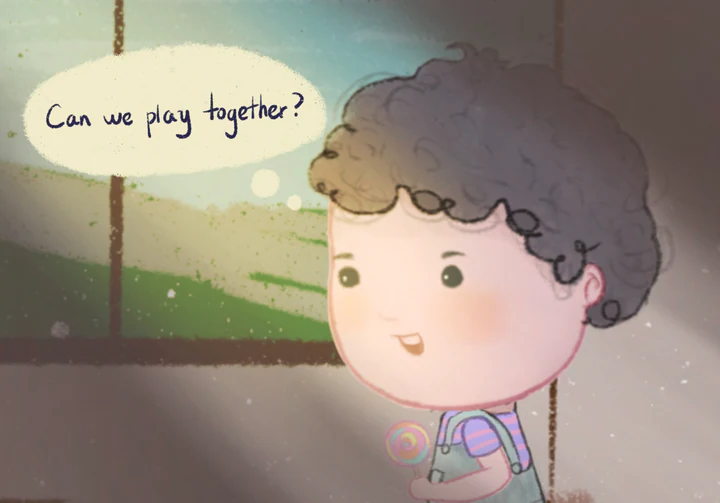
3One kid nicely asked if they wanted to play together.
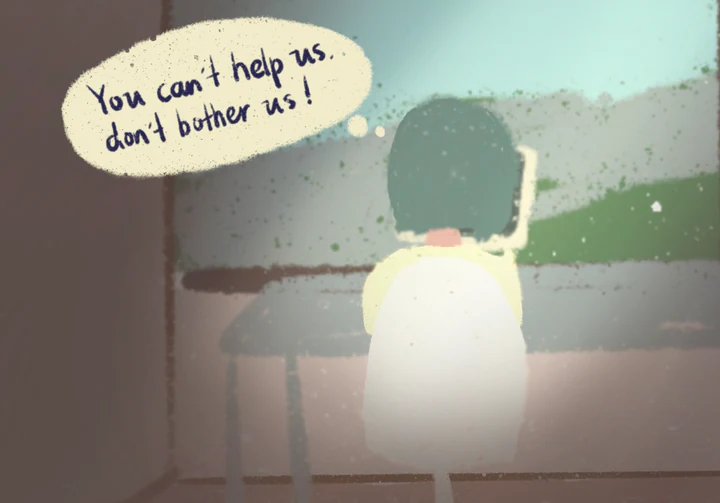
4But they felt interrupted and angrily yelled back. (“You can’t help us, don’t bother us!”)
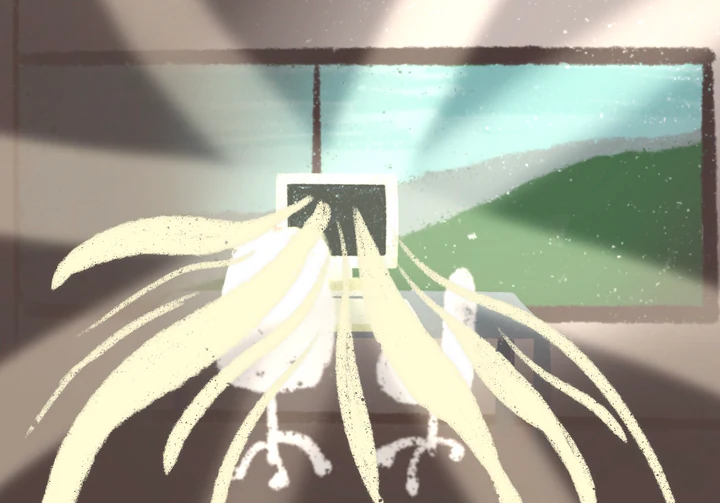
5A strange change occurred on the computer screen and a force dragged the two kids into the computer.
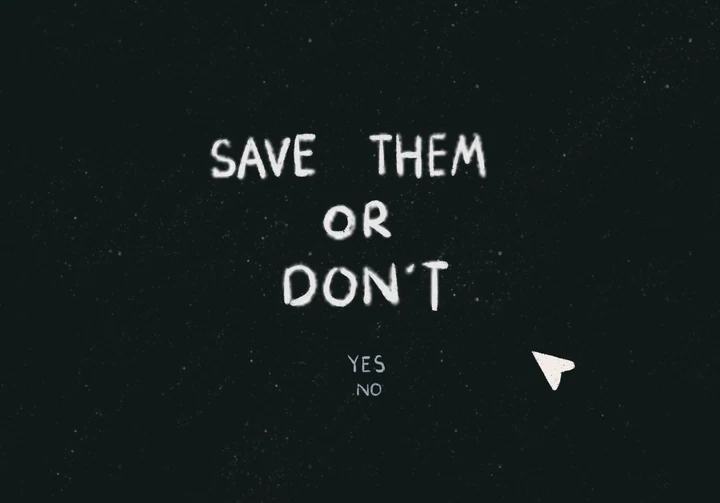
6A line of mysterious text appeared on the screen: “Now it’s your turn. Save them, or don’t.”
1Brainstorming ideas and creating preliminary sketches.
2Undertaking a color study.
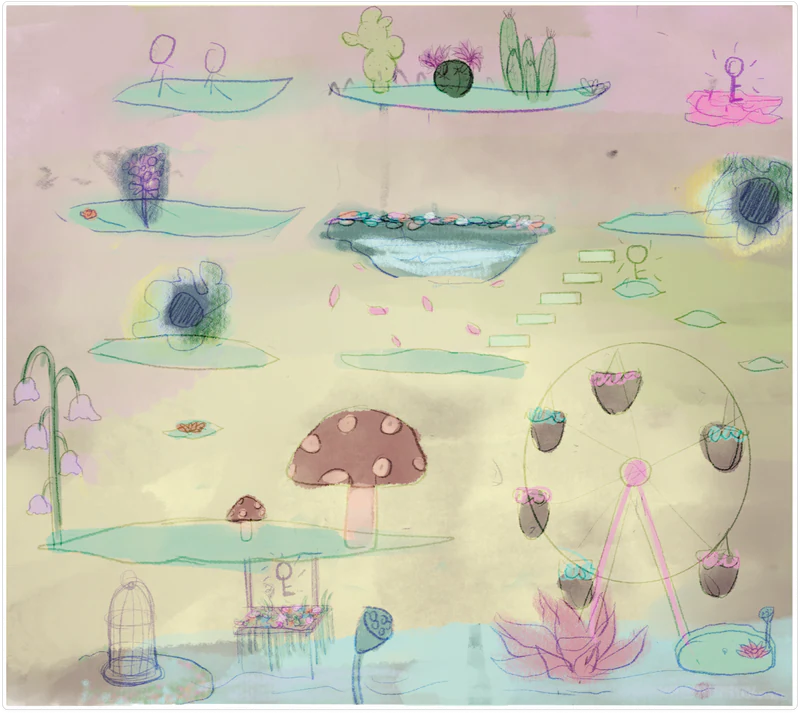
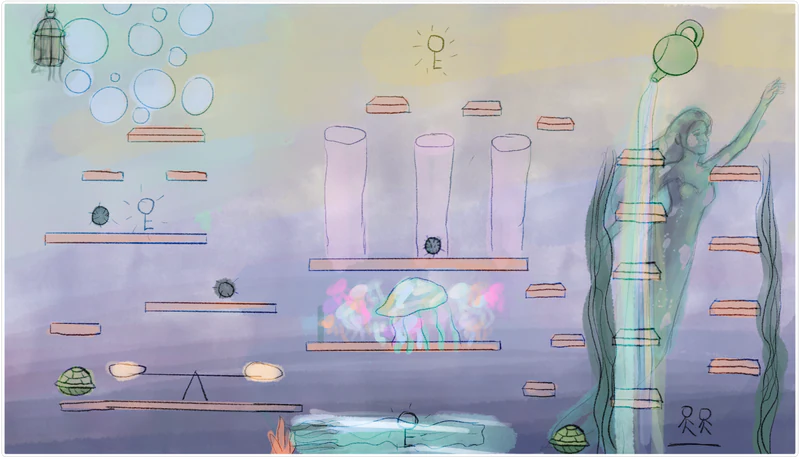
The levels are filled with lush plants, vibrant flowers and tranquil underwater scenes, designed to create a calming, inviting experience where the beauty of nature makes the game accessible and engaging for everyone.
Meet the buddies
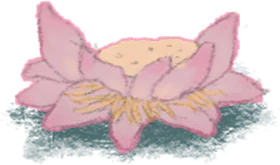
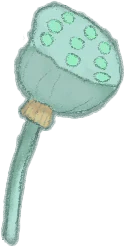
The final level design includes interactive puzzles, such as a memory challenge where players collaborate to complete a lotus-shaped puzzle using their recall abilities. Each challenge requires both players to use their unique abilities, so they must work together strategically to succeed.
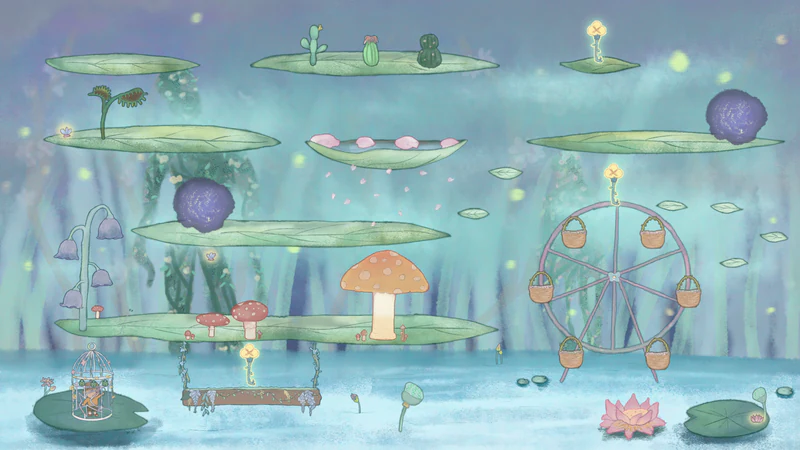
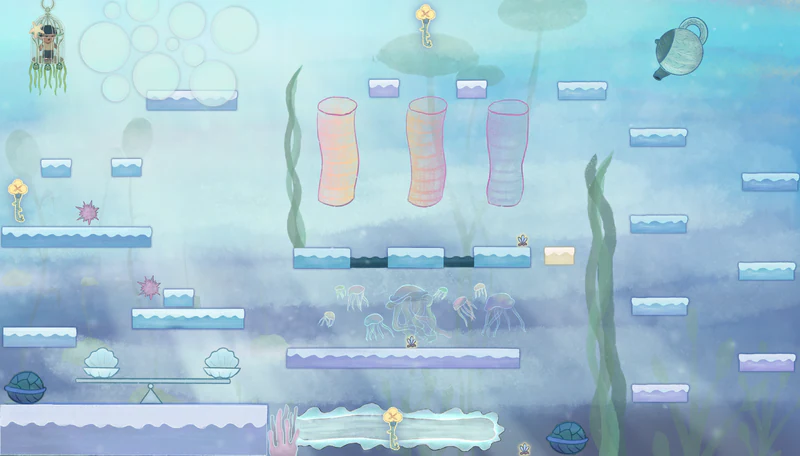
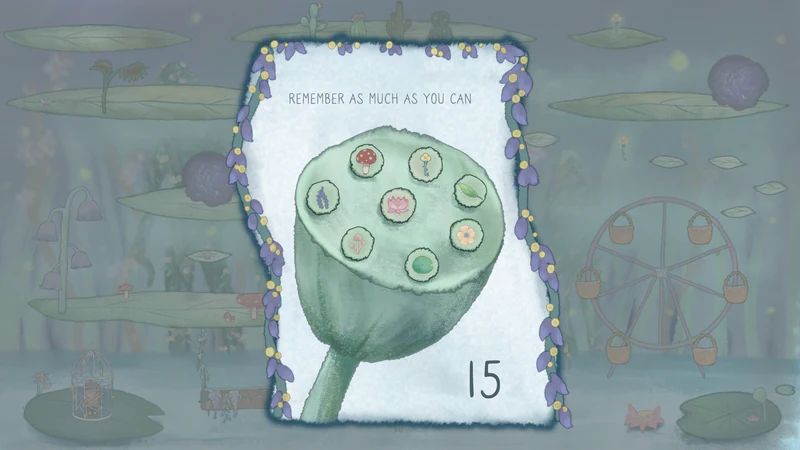
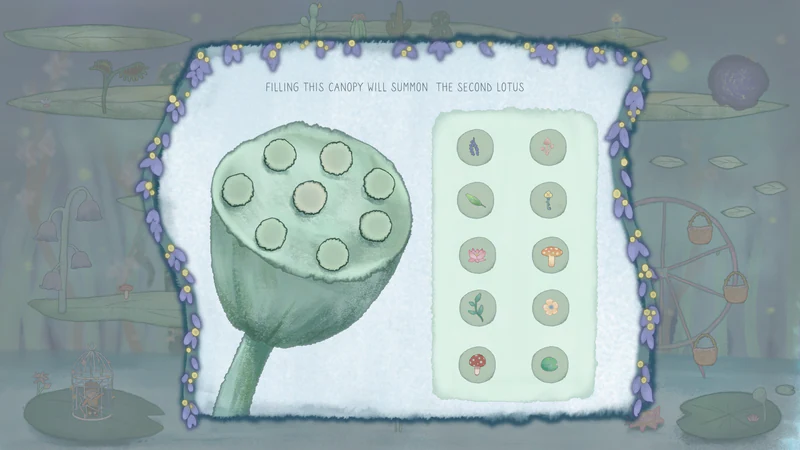
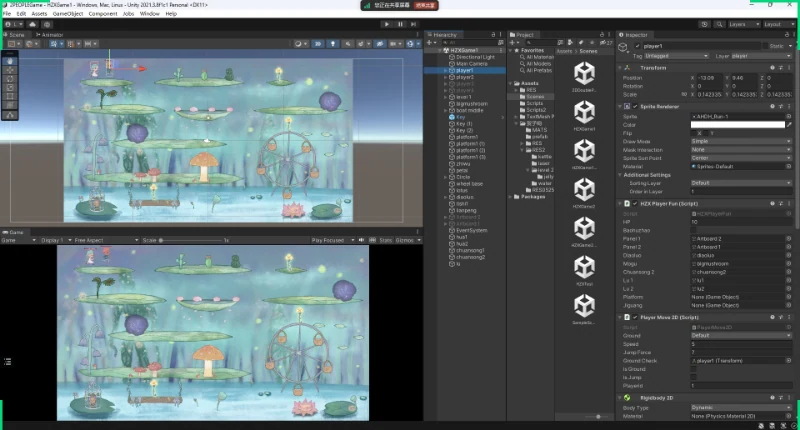
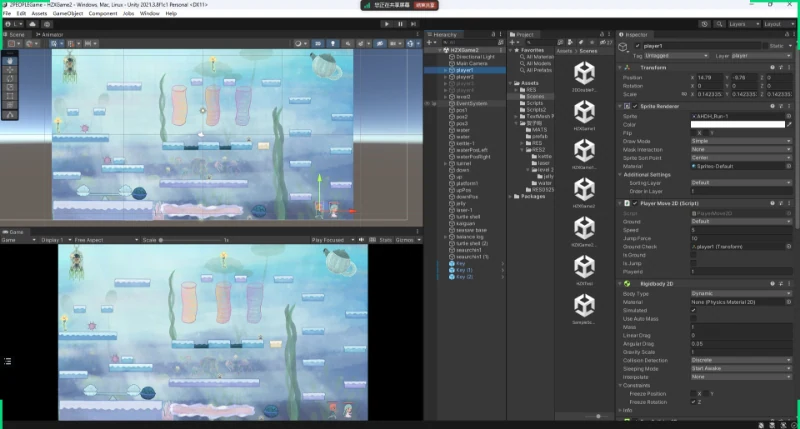
1Creating game scenes in Unity.
2Writing code: character moving and jumping, and one skill script per character.
Tech support: Stephen Hsieh helped with debugging and technical problems.
04
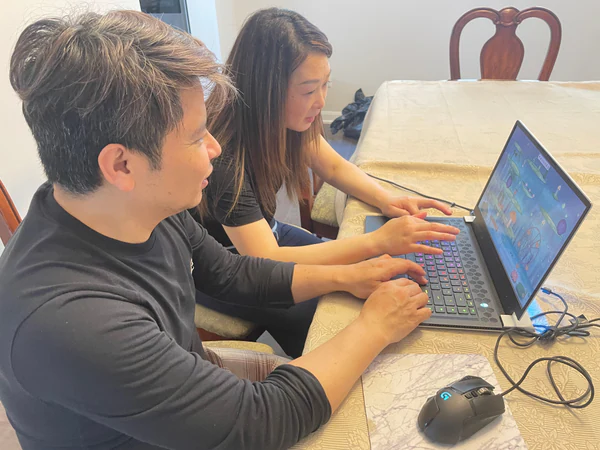
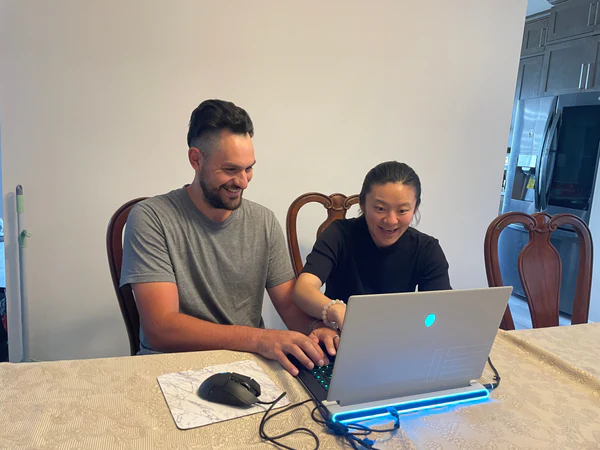
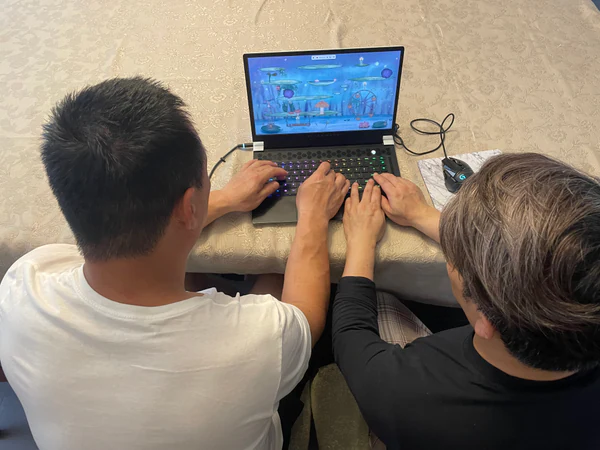
Players who tried the game found it enjoyable and calming. They especially appreciated the art style and the characters’ unique abilities. They pointed out issues with the platforming mechanics, particularly jumping, and suggested making it smoother. They also wished for more stimulating obstacles or enemies to raise the challenge and make it even more fun.
05
DEMO
Choose and combine diverse characters to enhance your gameplay.
Angie’s reflection goes here.