A discreet safety pendant and app for LGBTQ+ youth in foster care.
ROLE
Individual project
TIMELINE
2023/06 — 2024/09
TOOLS
Figma, Arduino
TAGS
Social impact designProduct designApp design
01
Overview
Safe, accepted, supported
PrideSafe tackles the specific challenges faced by LGBTQ youth in foster care, who often face more isolation, discrimination and mental health struggles because of their sexual orientation or gender identity. My goal was a solution that improves their physical safety and also nurtures a sense of belonging and community. By offering a discreet, effective way to seek help in emergencies and connect with supportive peers and resources, PrideSafe aims to reduce the risks and emotional burden of being an LGBTQ youth in the foster care system.
Every young person deserves to feel safe, accepted and supported, regardless of their background or identity.
BY THE NUMBERS
As of 2021, around 391,000 children were in foster care. Over 54,000 were adopted from the child welfare system; about 9% aged out without a permanent family, often facing homelessness and lack of support.
More than one in three youths (34.1%) aged 13–20 in New York City foster care identify as LGBTQ+.
LGBTQ
In foster care13.6%
General population7.2%
Transgender
In foster care5.6%
General population2.3%
02
Research
LGBTQ youth in foster care
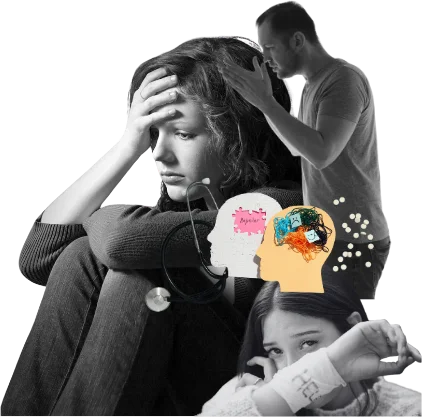
This section quotes young people describing abuse, depression and suicidal thoughts.
Status quo
34.1%of youth in New York City foster care identify as LGBTQ+
2.5×more likely to be in a group home rather than a family
2×more likely to face mistreatment
“I was told that foster families didn’t want a gay kid in their home, so I grew up in group homes and residential centers where I was abused sexually, physically and emotionally.”
Kristopher Sharp, eight years in foster care
78%of LGBTQ youth were removed or ran away from their foster placements as a result of hostility toward their sexual orientation or gender identity.
100%of LGBTQ youth in group homes reported verbal harassment.
70%reported physical violence in group homes.
Legal protection
35 states and the District of Columbia have laws or policies protecting youth in the child welfare system from discrimination based on both sexual orientation and gender identity. Six more protect on sexual orientation only. Nine have no explicit protection.
New YorkSexual orientation and gender identity
Map of the United States with one button per state. Arrow keys move between states; each state's name and category are read out.
35 states + DC · 6 states · 9 states with no explicit protection
Discrimination, rejection and higher rates of mental health issues.
Identity and self-expression
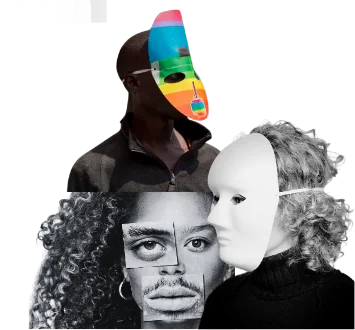
The need to conceal their authentic selves to avoid discrimination or alienation.
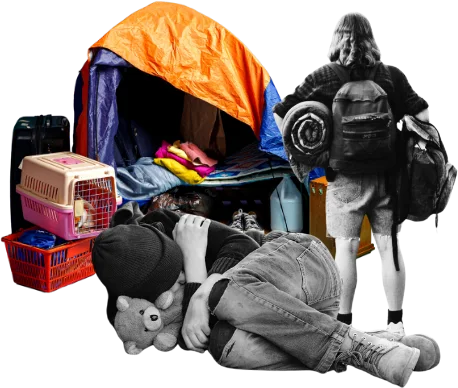
Housing and homelessness
Higher risk of homelessness due to family rejection and discrimination; safe, affirming housing is hard to find.
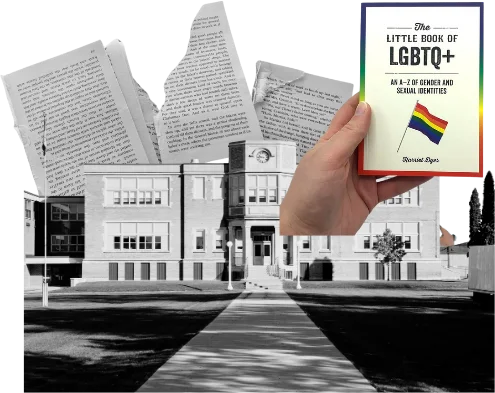
Educational support
Frequent placement changes interrupt schooling; schools often lack inclusive curricula, adding to alienation.
FOCUS AGE 15–18
LGBTQ foster youth aged 15–18 frequently face significant emotional challenges while managing societal pressures and the complexities of their identities. Supporting them at this stage helps build resilience, self-acceptance and a positive outlook on the future.
From video interviews found online
Noshin Karim
she/her · lesbian
Came out at 11 in foster care. Faced rejection and homophobia from her own family; diagnosed with severe depression at 16.
“I thought I deserved to die, I was the wrong one. I really wish someone could have helped me and told me I am not alone.”
Video interview, source online.
Alex Brown
they/them · non-binary · 16
4 years in foster care. Struggles to find acceptance within the system; feels isolated without peers and adults who understand LGBTQ issues.
“Having a supportive community and a sense of safety makes all the difference. It helps me feel seen, understood, and secure in a world that often doesn’t.”
Video interview, source online.
Roshawn Davis
he/him · transgender · 18
Came out at 14 in foster care. Faced rejection from foster families, leading to anxiety and depression.
“There were times when I felt so hopeless… Having a supportive caseworker has been a lifeline. It’s made navigating the system a bit easier.”
Video interview, source online.
SOLUTIONS THAT CAME OUT OF RESEARCH
Access to mental health professionals
Connecting with other LGBTQ youth and LGBTQ-friendly resources and support groups
Peer support groups for sharing experiences
Persona
Taylor Jordan
17 · non-binary (they/them) · New York
“I want to feel like I belong, without constantly worrying about my safety or how people will react to who I am.”
BIO
4 years in foster care
Experienced isolation and discrimination
Tech-savvy, finds solace connecting with other LGBTQ youth on social media
NEEDS
Safety in public spaces
A supportive community of peers
Access to mental health resources
MOTIVATION
Empowerment, belonging and support
Control over their own safety
Meaningful connections with people who share their identities
Market research
REVIEWS
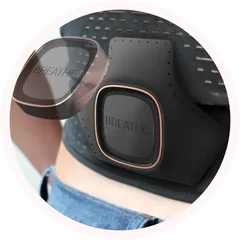
Breathe Binder
Comfortable chest-binding for transgender people.
STRENGTH
Designed for the community’s needs.
WEAKNESS
Long-term wear can still cause discomfort; perfect fit is hard.
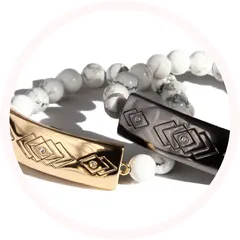
Safety jewelry
Discreet jewelry with panic button, GPS and fake call.
STRENGTH
Combines tech with everyday wear.
WEAKNESS
Battery life; tech support can be hard for non-tech-savvy users.
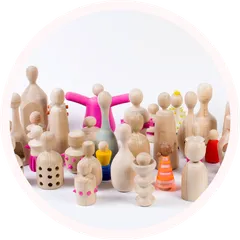
Alma Therapy Dolls
Help children express emotions tangibly in therapy.
STRENGTH
Offers tangible emotional expression for children in therapy.
WEAKNESS
Impact varies; needs trained professionals.
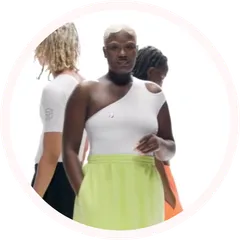
Telfar
Gender-neutral fashion promoting inclusivity.
STRENGTH
Versatile designs for all genders.
WEAKNESS
Higher costs from inclusive sizing; saturated market.
PrideSafe takes the discreet, wearable safety of binders and safety jewelry and adds the inclusivity and self-expression of gender-neutral fashion.
03
Design
Design Concept
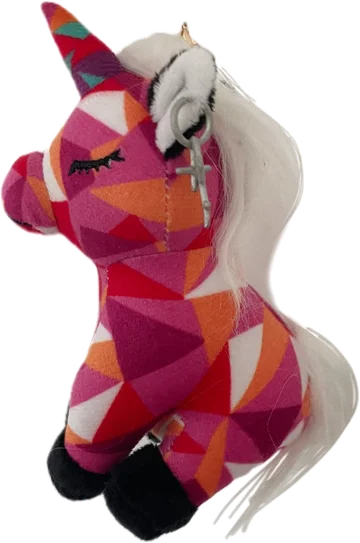
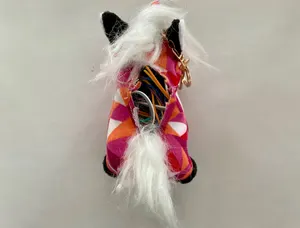
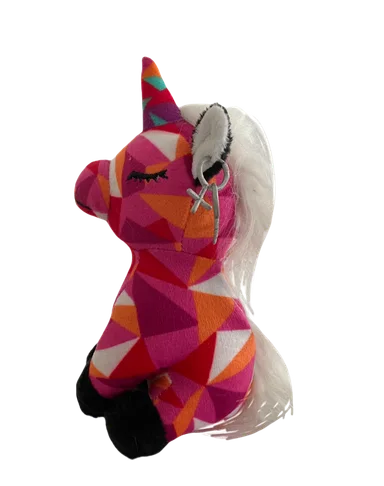
PrideSafe integrates a discreet device into a pendant to ensure access to help and foster connections among peers, so LGBTQ youth feel valued, supported and confident.
Target audience
LGBTQ youth in foster care, 15–18.
Verification & registration
A user community connecting users with nearby peers and group homes.
Panic button
Built into an everyday object (a phone pendant); easy to activate but protected against accidental activation.
Real-time location
GPS shares the user’s location with registered, verified peers, and optionally trusted contacts or authorities.
App flowchart
Product Design
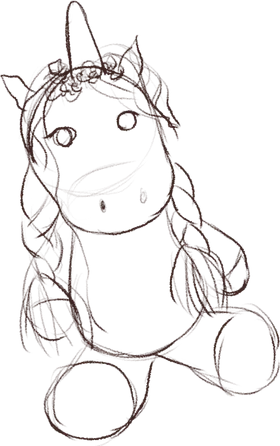
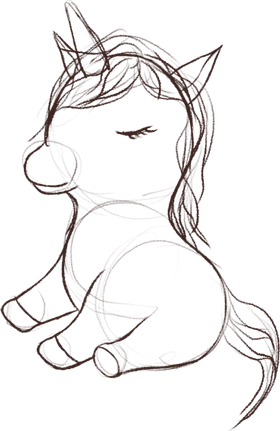
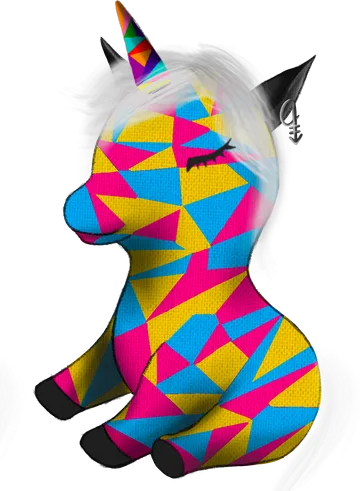
A unicorn for every flag
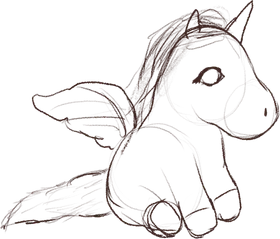
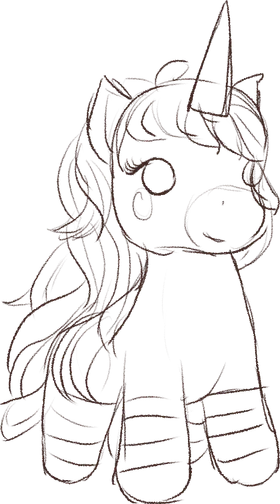
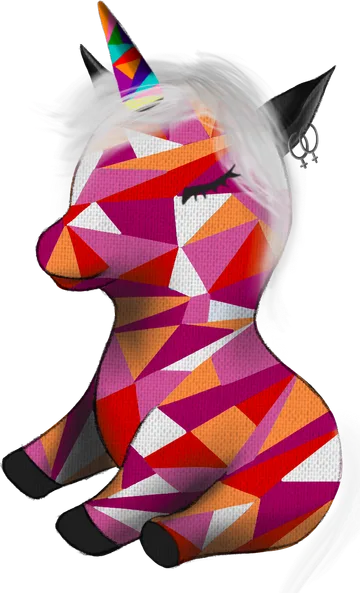
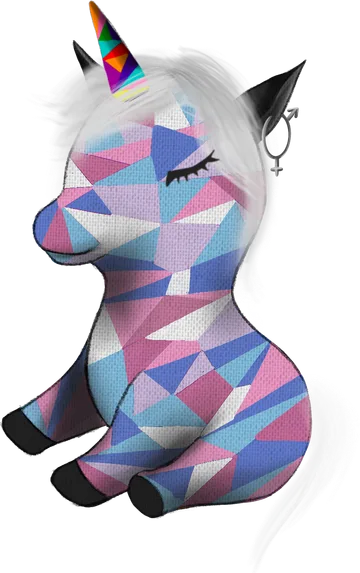
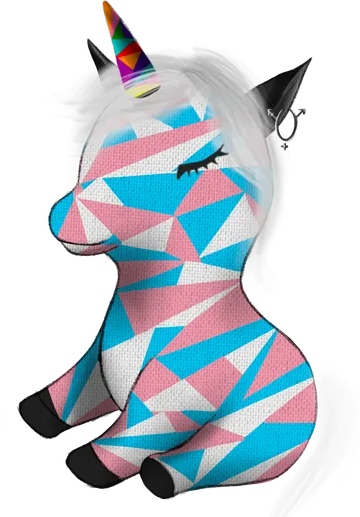
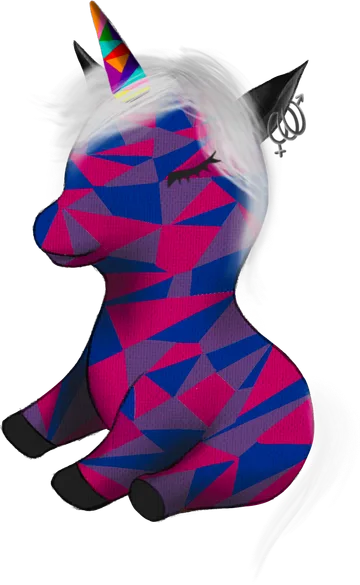
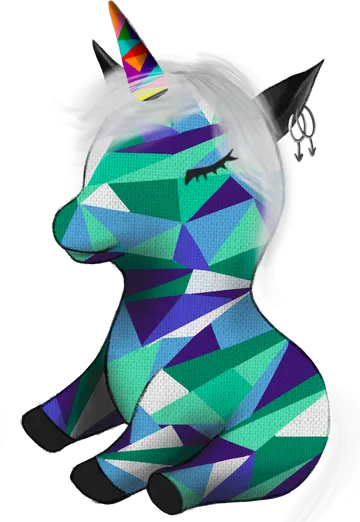
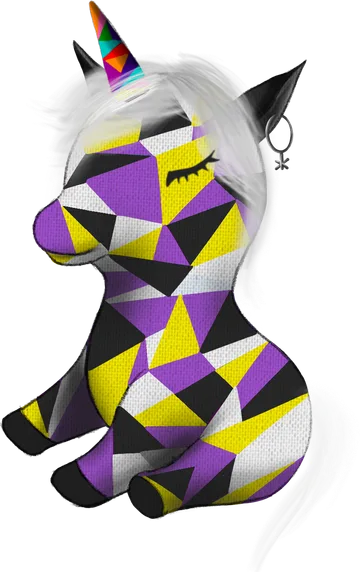
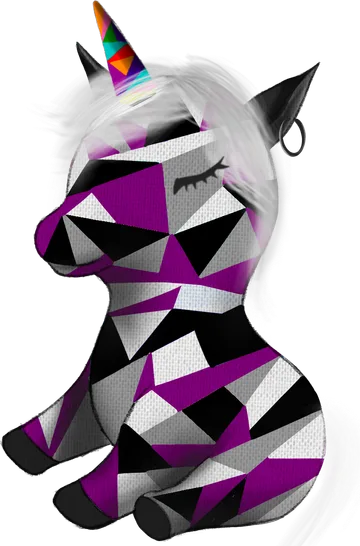
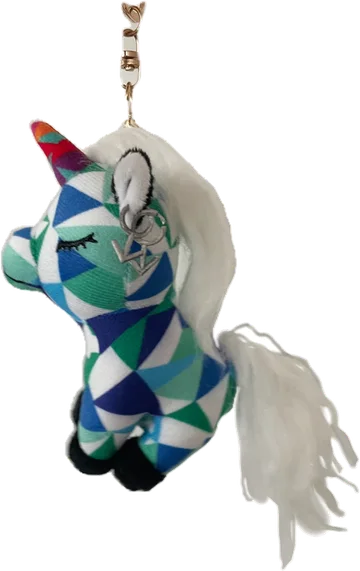
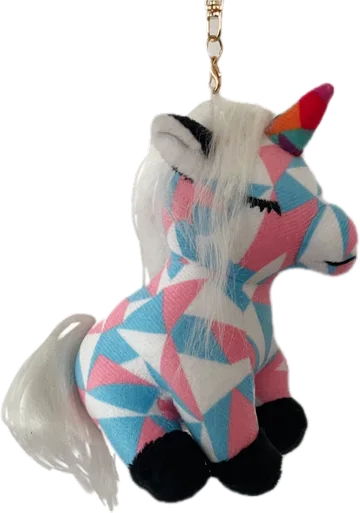
The pendant draws on the unicorn, a symbol of the LGBTQ community, in a patchwork mosaic of colors from different LGBTQ flags. Symbols of each group become unique unicorn earrings.
LGBTQ symbols
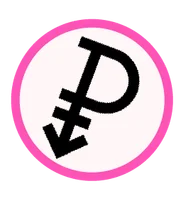
Pansexual
Infinity heart
P symbol
Lesbian
Lambda (representing energy and equality)
Labrys (symbolizing lesbian pride and strength)
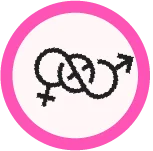
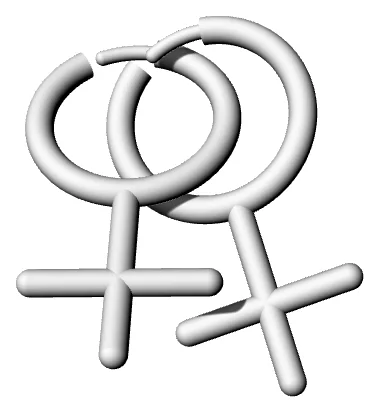
Two linked female symbols
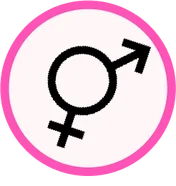
Bigender
Bigender symbol
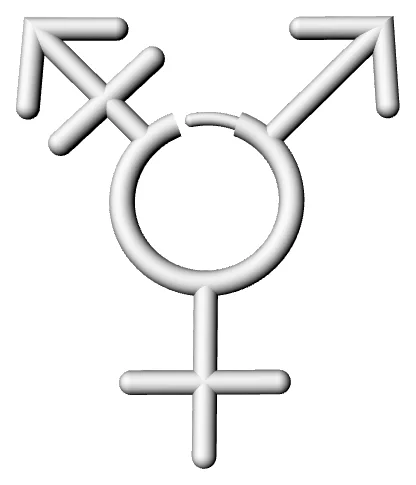
Transgender
Butterfly (transformation)
Frog (male and female)
Transgender symbol
Bisexual
Double triangle (dual identity)
Moons
Linked bisexual symbol
Gay
Pink triangle (once a Nazi symbol for gay men, later reclaimed as a pride symbol)
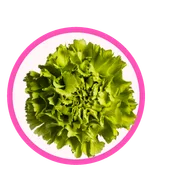
Green carnation (representing gay men, popularized by Oscar Wilde)
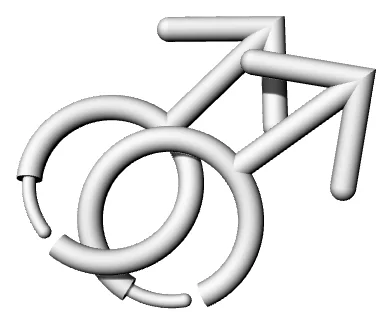
Two linked male symbols
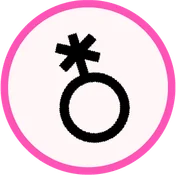
Non-binary
Non-binary symbol
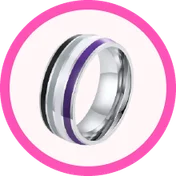
Asexual
Cake (“Cake is better than sex anyway”)
Ring
Plain black circle
3D EARRINGS
Final Design
The app and the pendant
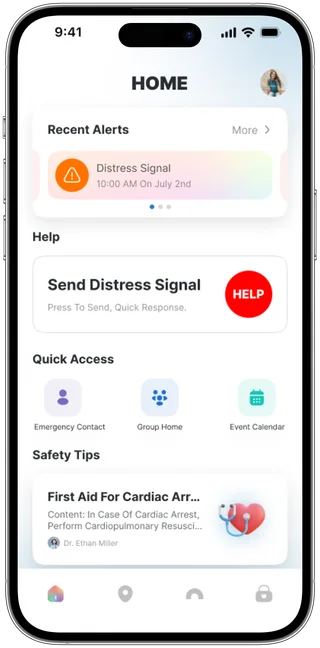
Dashboard
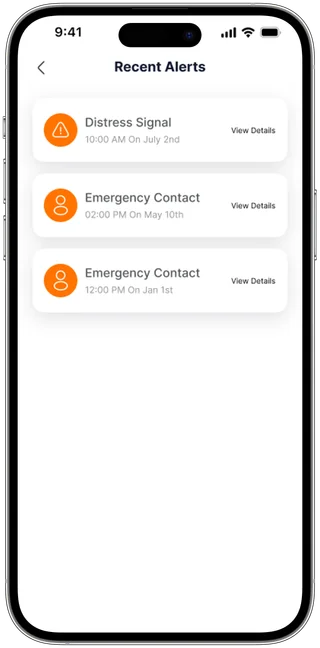
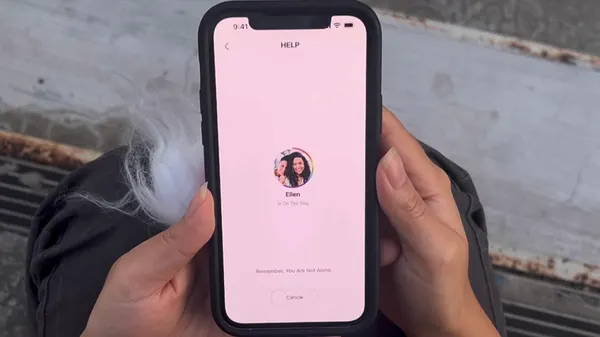
Recent alerts, quick access to the panic button, emergency contacts, group home and events.
Community
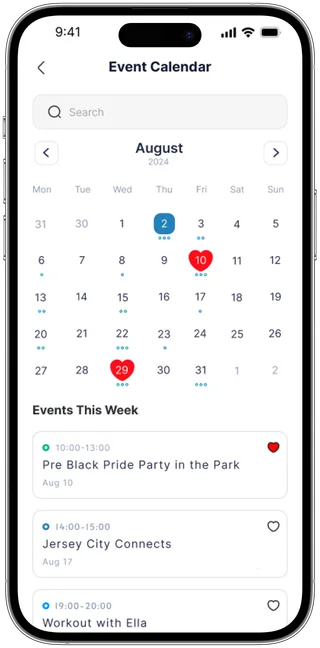
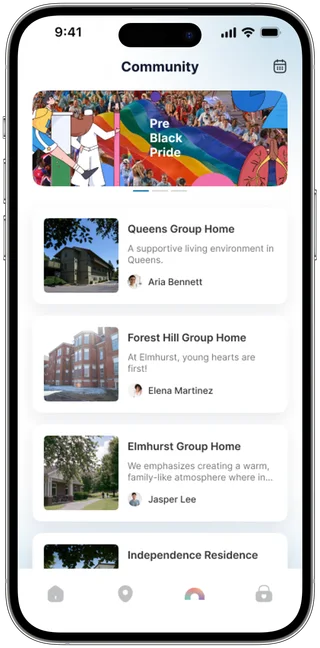
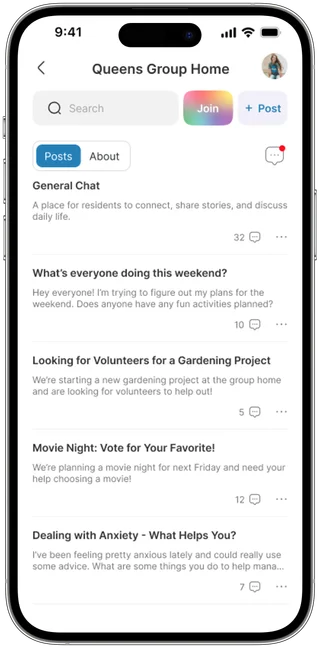
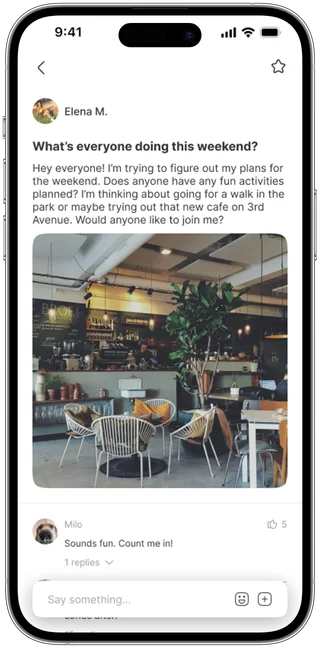
Connect with nearby LGBTQ peers and group homes, join forums; events calendar of local LGBTQ events and support groups.
Map
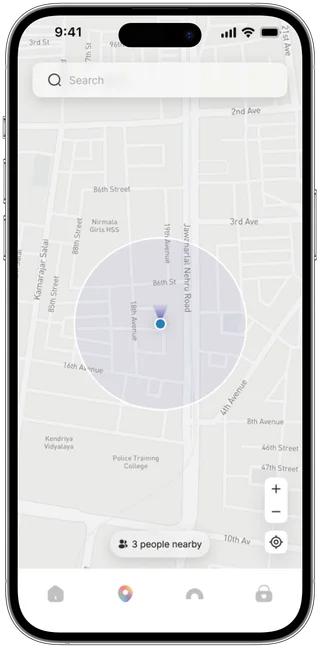
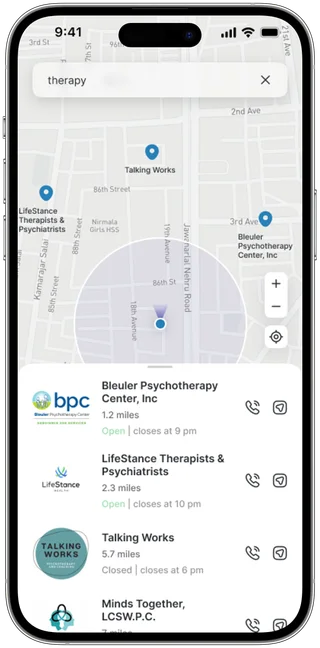
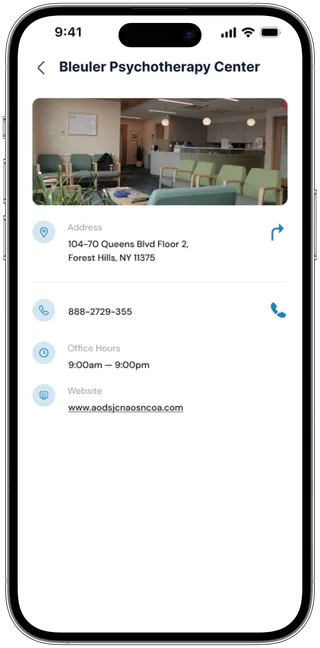
The user’s real-time location and nearby registered peers; search for the closest therapy centers.
Safety
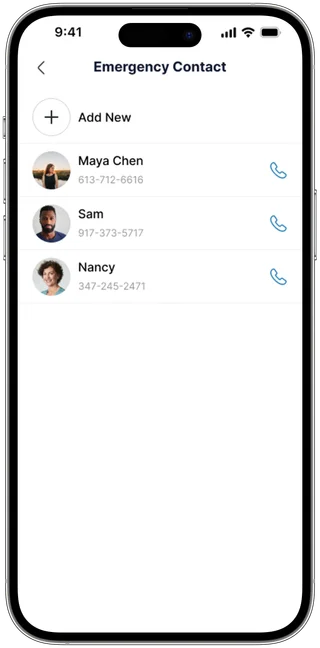
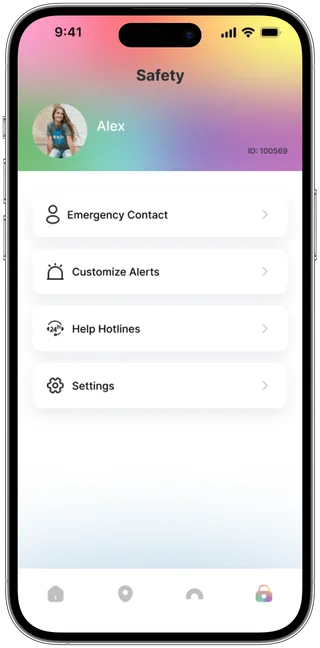
Add and manage trusted contacts, choose who receives alerts, quick-dial help hotlines.
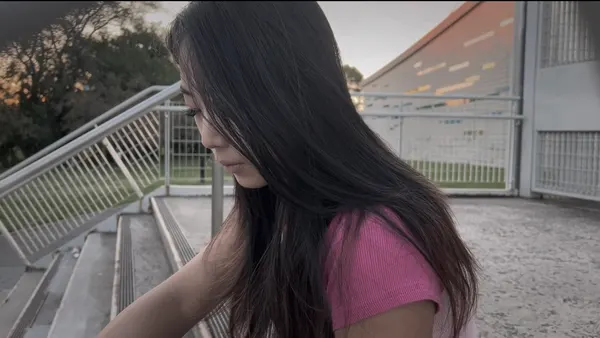
1Angie sits alone in the park, feeling overwhelmed.
2Recent life changes have left her feeling depressed and stressed.
3Angie activates PrideSafe to reach out to a peer for support.
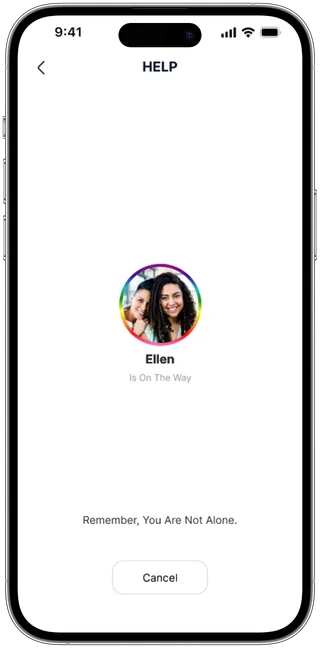
4Shortly after, Frasier responds to her alert and offers to help.
5Frasier is on his way to meet Angie, ready to provide support.
6They have a meaningful conversation, and Angie feels understood, less isolated and more at ease.
04
Testing
Hardware prototype
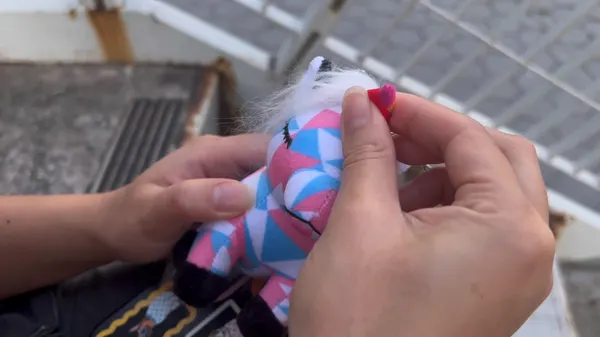
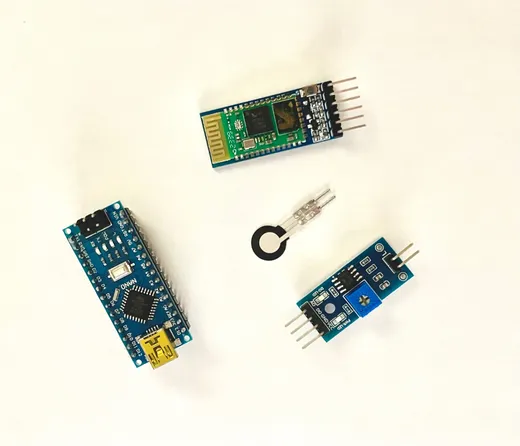
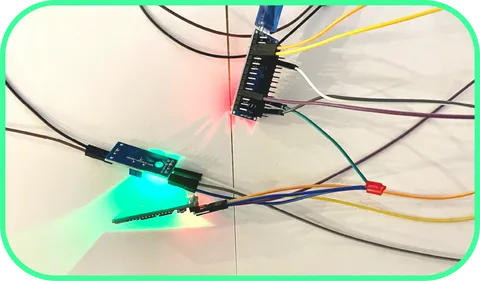
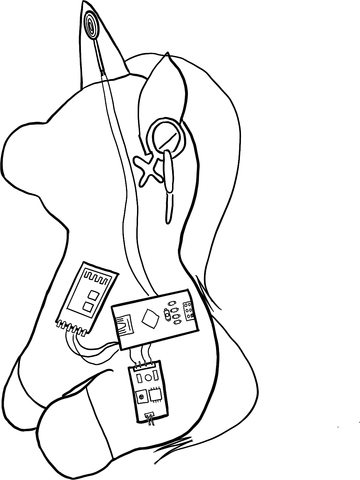
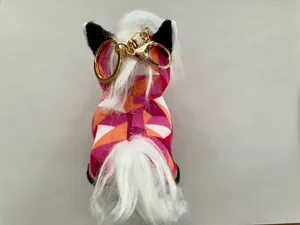
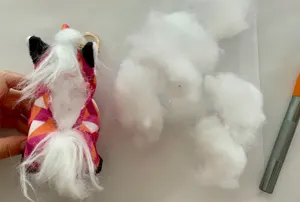
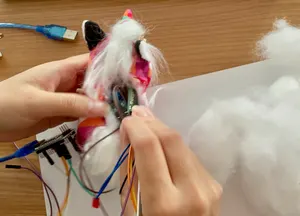
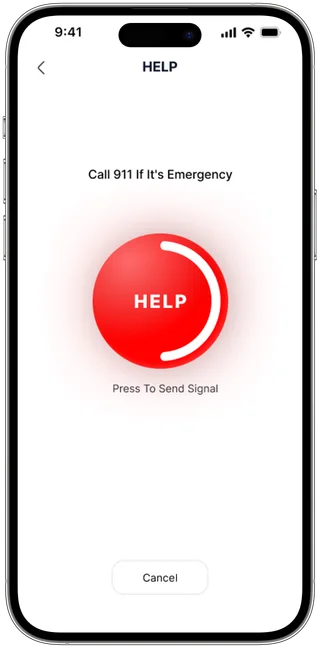
I built a small Arduino prototype to show how the pendant works. When the pendant is squeezed, a pressure sensor connected to a Bluetooth module sends a signal to the phone to set off a help alarm.
Bluetooth module · Arduino Nano · film pressure sensor · voltage conversion module
1
Finished device.
2
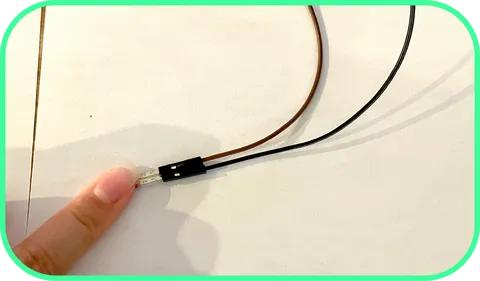
Test the film pressure sensor.
Circuit diagram
The sensor sits in the unicorn’s horn: easy to press, and it prevents false alarms. The other electronics are stuffed inside the pendant.
Code
if (analogRead(A0) < 500) { BT.print("Help"); }
Squeeze to send help
Pressure sensor in the horn
1 Squeeze the horn.2 A signal goes to the phone by Bluetooth.3 Help responds.