Angie He
PITTSBURGH, PA

The Afternoon Edition · FEATURE

TODAY

SOCIAL IMPACT DESIGN

HopeWheels

A mobile library bringing learning to rural Mamou, Guinea.

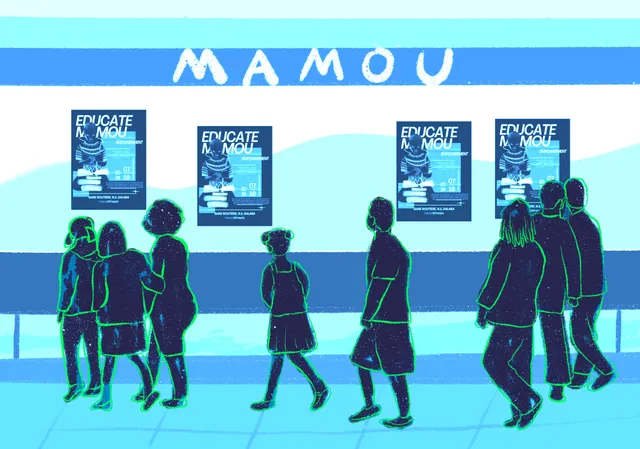
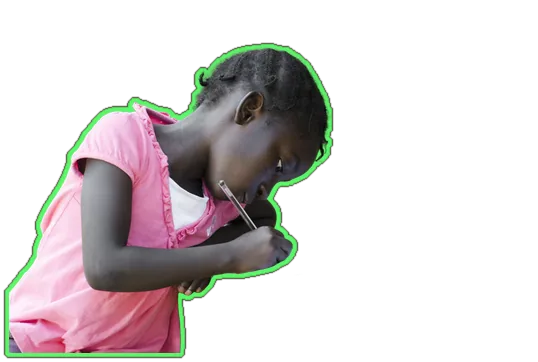
Angie's illustration of a street in Mamou: people in silhouette look at posters on a wall under a sign reading MAMOU A young girl in a pink top bends over to write, cut out with a neon-green outline
ROLE
Individual project
TIMELINE
2023/11 — 2024/03
TOOLS
Arduino, Blender, Procreate
TAGS
Social impact designSystem designService design

01

Overview

Education in the rural area

Poverty is a major barrier to education in Africa, especially in rural areas. The lack of resources, qualified teachers and infrastructure are critical issues.

SOURCE: “POVERTY: A MAJOR CHALLENGE TO THE AFRICAN RURAL EDUCATIONAL SYSTEM DEVELOPMENT AND THE WAY FORWARD,” DONATUS OKEOWHOR, JOEL OGECHUKWU OKOH, ANTHONY BAAKEL AND OGOCHUKWU JUDITH OKOLO

How can we ensure young minds in Africa have access to education that’s free, equitable, and within their reach?

Facts about Africa

  1. Access to educationAbout 105 million children of primary and secondary school age were out of school in Africa in 2019.
  2. Teacher shortageA critical shortage of qualified teachers: an additional 17 million are needed by 2030.

SOURCE: “TRANSFORMING EDUCATION IN AFRICA”

02

Research

Mamou, Guinea

When investigating education in Africa, I was drawn to Mamou, Guinea: high poverty rates and a young population with strong primary enrollment but low average years of schooling. There’s still a strong interest in both academic and vocational education, but many barriers block access to formal schooling. That’s why it’s important to provide educational support tailored to their specific needs.

ZURI · 9 YEARS OLD

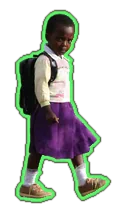
She walks

to school every day

Zuri, 9 years old, walks 13 miles to school every day.

ZURI’S STORY: ASANTE AFRICA, “HOW FAR WOULD YOU WALK TO SCHOOL?”

  • 1 in 5children aged 6–11 are out of school
  • 25%of pre-primary teachers in sub-Saharan Africa are trained
  • 2%of households have a computer
  • 33%of households have electricity
  • 1.29mean years of education for the population aged 20
  • 93%of households have a phone
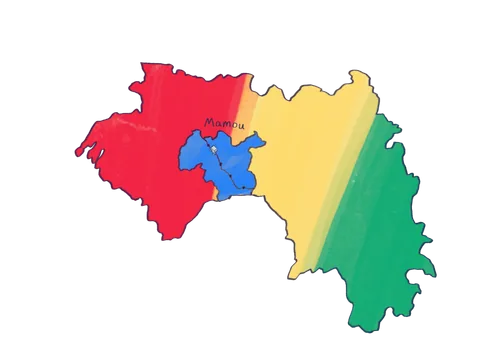
Map of Guinea in red, yellow and green, with the Mamou region highlighted in blue
Mamou, Guinea.

Barriers to education

  1. Direct costs
  2. Distance to school
  3. Poor-quality content

Limited library resources

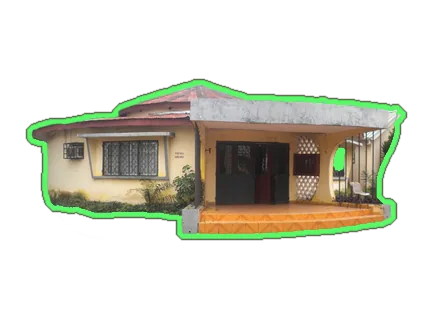
The National Library of Guinea: a low cream building with a red roof and orange front steps, cut out with a neon-green outline

45.33%the literacy rate in Guinea as of 2021

The major library known in Guinea, the National Library of Guinea, is in the capital city of Conakry and was established in 1958. Other small libraries are in local schools and communities, but they’re less common.

Bar chart of literacy by age group: it rises from ages 6–8 to a peak at ages 9–11 and 12–14, then falls, dropping steeply after age 18. Ages 21–23 are the lowest.

Literacy by age group REDRAWN FROM ORIGINAL RESEARCH CHART.

Audio and visual materials

Incorporate audiobooks, educational videos and visual storytelling in the library. These help especially those who can’t read or are learning to read.

Literacy programs

Offer literacy classes and workshops as part of the library services, tailored to different age groups and learning levels.

Expert view

Fei Wang, smiling in a cap, takes a selfie with Joseph Congo Wamulong
Fei Wang with Joseph Congo Wamulong, the boy he supported through school.

FEI WANG lived in Guinea for over 10 years and supported a Guinean boy to attend school.

“Teachers are unprofessional and irresponsible. Lectures are usually short and classes are not taught seriously.”

“Students are afraid of teachers because teachers will extort money from students after school and punish them when they are not satisfied with them.”

“Rich families pay tutors for extra lessons, while poor children receive unequal education.”

Existing products

Each review is a button. Choose one to see its shape on the chart.

REVIEWS

Radar chart comparing the four products on six qualities. Radio and TV-based education is strongest on cost and high on interaction and educational impact. The Kio Kit is highest on accessibility and sustainability but very low on interaction and cost. The Talking Book is fairly high and even across all six. The Mobile School is highest on community engagement and lower on cost and educational impact.

REDRAWN FROM ORIGINAL RESEARCH CHART.

Challenges → Theories → How to deliver

  • Accessibility challengesLong distances to schools, poor infrastructure and socio-economic issues.
  • FlexibilityConsider learning flexibility, allowing study at one’s own pace and time.
  • Technology’s consTechnology faces hurdles in maintenance, costs and training needs.
  • Cost vs. qualityUsing radio and TV for education is affordable, but balancing this with quality is essential.

03

Design

Concept

A library that comes to you

The HopeWheels Library combines the mobility of a vehicle with the functionality of a traditional library, creating a dynamic, versatile learning environment. It’s not only a repository of books but a hub for community learning and engagement, so education is accessible, engaging and responsive to the needs of the community it serves.

Education is no longer an unattainable dream; instead, it will come to you and provide you with nourishment.

How it works

  1. Village 1

    ArrivesParks at a fixed station in the center of town, open to everyone.

    Stays 2 days Day 1 Day 2People borrow books, read onsite and join workshops.

  2. Village 2

    Next villageAfter 2 days, it drives on to the next station.

  3. Village 3

    Comes backOn the next visit, people return borrowed books and share feedback.

and the route repeats

The vehicle stays at a station for 2 days before traveling to the next village.

Every village has a fixed station in the center of town, so it’s accessible to everyone.

  • A system for managing books and materials, including checkouts, returns and inventory.
  • Coordinating visit schedules with local community leaders and schools.
  • Organizing special events and educational programs to attract and engage users.
  • Regularly collecting feedback.

Financial sustainability

Financially sustainable

Community membershipThe community pays for everyone’s free access.
Personal membershipIndividuals pay for their own membership.
Selling educational materialsStationery, posters or branded merchandise.
Donations from around the worldOrganizations, schools and publishers.

Design

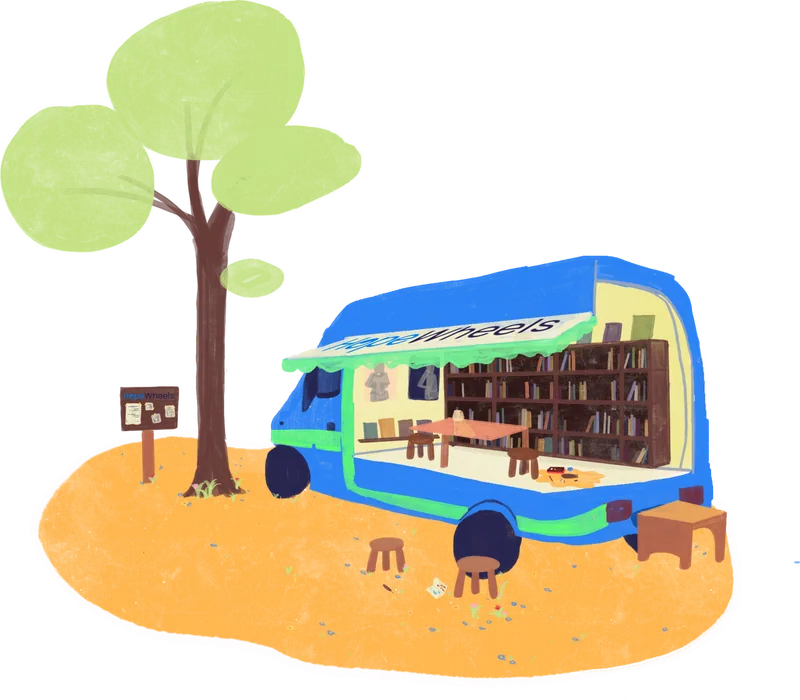
Library station

Each number is a button. Choose one to read about that part of the station.

Illustration of the HopeWheels library station: a blue truck opened up to show bookshelves, a table and stools, with a bulletin board and a large tree on an orange patch of ground
Customizable shelvesAdjustable bookshelves that can be secured during transit and easily accessed when stationary.
Foldable furnitureFoldable desks and seating maximize space and flexibility for individual or group study.
Multi-functional spacesVersatile areas in the vehicle, like a reading nook that can also host workshops.
Interactive play areaA corner with educational toys and materials that encourage exploration and hands-on learning.
Safety and accessibilityA safe play area with soft, durable materials and age-appropriate design.
Bulletin boardA community board for announcements and educational opportunities.
Outdoor learning environmentA shaded outdoor area with seating for classes or storytelling sessions.
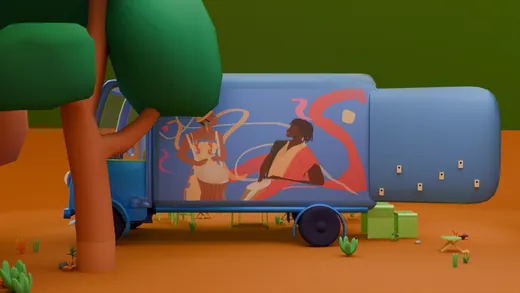
Cultural artLocal artists decorate the library exterior with culturally relevant art.
Nature-inspired elementsA peaceful learning atmosphere with natural elements.

Touchpoints

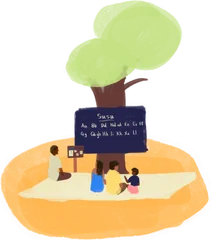
Illustration of a class under a tree, with a chalkboard

Literacy programs

  • French and Susu lectures to improve literacy.
  • Curriculum: daily themes, with literacy days for adults and story days for children.
  • Trained educators: local teachers or trained volunteers.
  • Materials: literacy workbooks, flashcards and more.
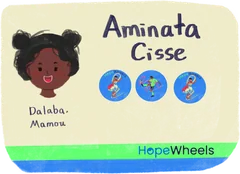
Illustration of a library card for Aminata Cisse, with three sticker stamps

Community

  • Outreach: sessions announced in advance through local channels and the station billboard.
  • Incentive programs: rewards for steady attendance or literacy milestones. Collected stickers can be redeemed for different rewards.
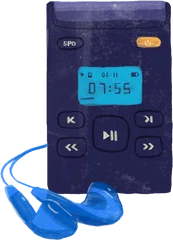
Illustration of a small audio player with blue earphones

Audiobooks

  • Preloaded offline devices for non-literate and auditory learners.
  • An audiobook section for children and adults, with curated audiobooks in local dialects and common languages.
  • Security: players are kept in lockable cases to prevent loss or theft.
  • Maintenance: content is updated and equipment checked regularly.
  • Listening sessions in a cozy space for groups.
  • Attractive playbacks: an external speaker plays 30-second to 1-minute clips to draw in passersby.
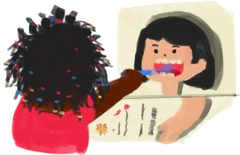
Illustration of a child reading an interactive book about brushing teeth

Interactive books & experiment kits

  • Interactive content can help children learn and develop critical thinking skills.
  • Safe, age-appropriate experiment kits with clear instructions, and STEM kits across topics and age groups.
  • Showcase events with interactive storytelling and science sessions.
  • Peer-to-peer learning: older kids guide younger ones, building leadership and cooperation.

Vehicle design

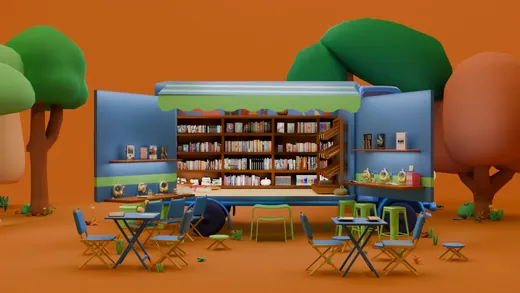
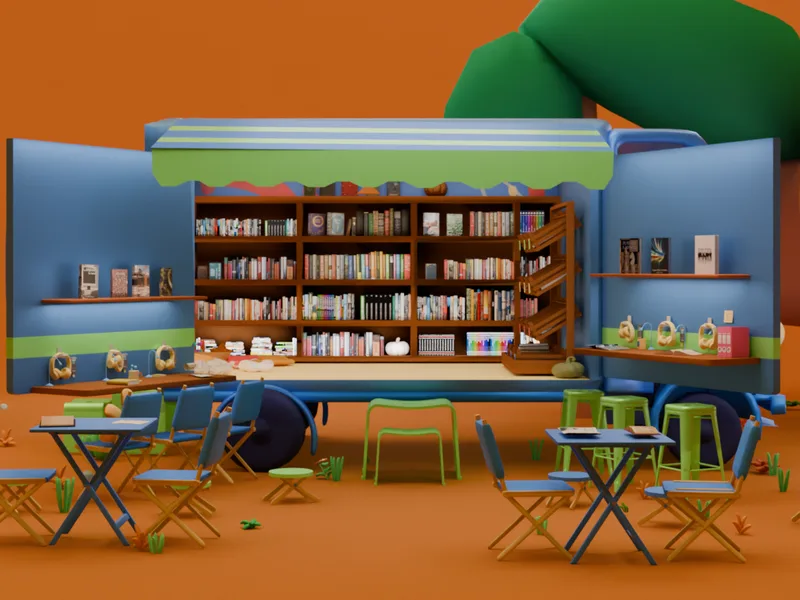
3D render: the truck opened up, with shelves of books and audiobook tables and chairs in front

Audiobook section

Two separate listening areas: a table at adult height and one for children, both cozy enough to get lost in a story.

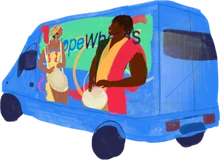
3D render: the truck closed, with a painted mural on its side and small audio players mounted on the wall

Audiobook snippets

Audio players on the vehicle’s outside wall play short snippets at different heights. Each ends on a cliffhanger or intriguing question that invites listeners into the library.

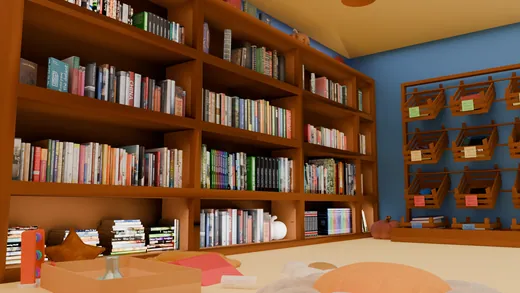
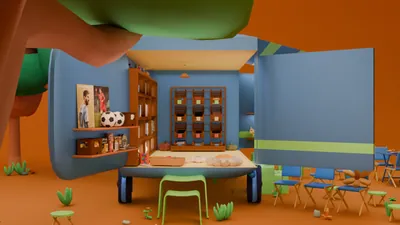
3D render inside the truck: tall wooden bookshelves, wall baskets and a soft play mat on the floor

Interactive play area

A space for children to learn, explore and experiment, with furniture that prioritizes children’s safety and age-appropriate content and play kits.

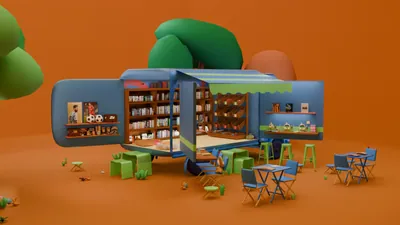
3D render: the blue truck seen from the front, with tables and chairs beside it
3D render: the truck from the other side, its doors folded out as shelves
3D render: looking into the back of the truck, with shelves and a low table
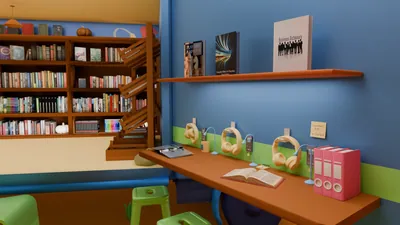
3D render: a long desk with headphones and an open book, beside the bookshelves
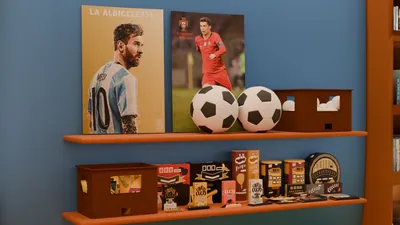
3D render: wall shelves with soccer balls, posters and packaged goods
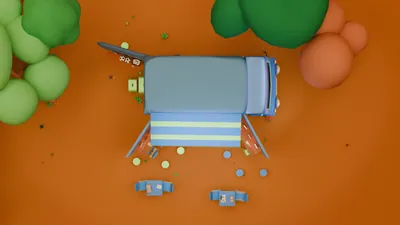
3D render: the truck and its awning seen from above

From model to render

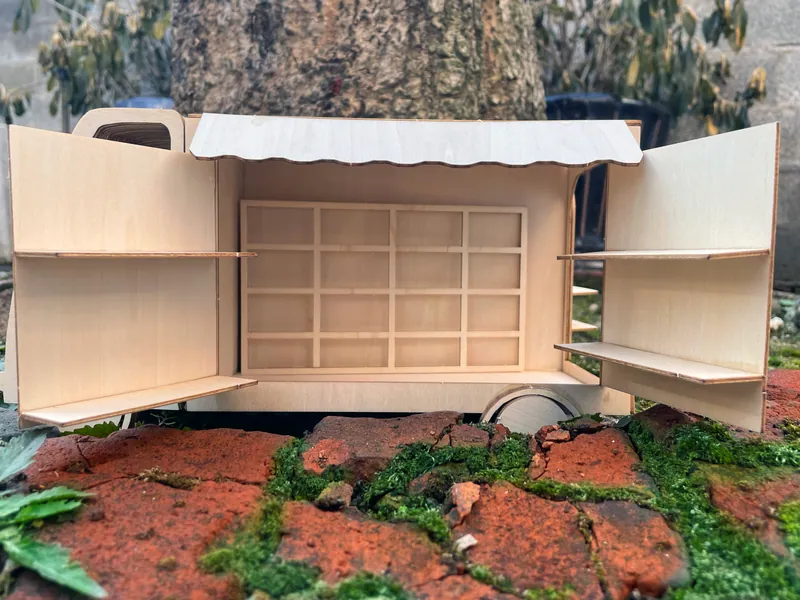
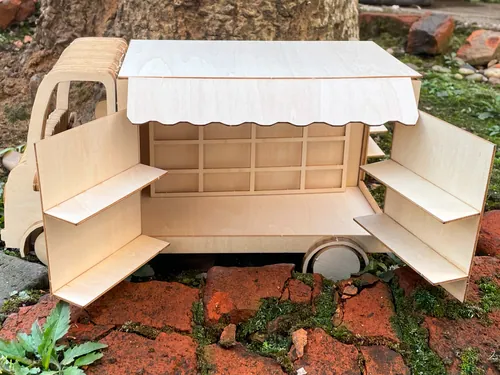
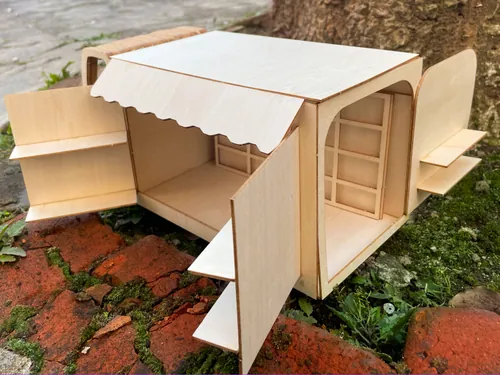
3D render of the truck, opened up with shelves and an awning Physical model of the truck in pale wood, opened up the same way, standing on mossy bricks
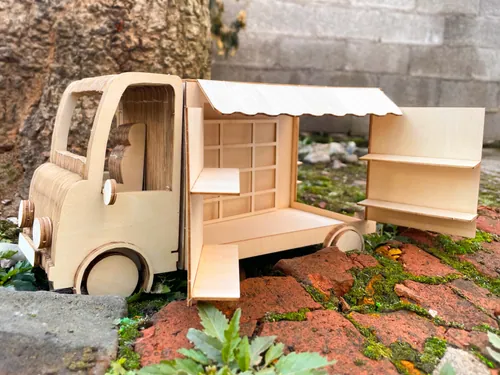
The model from the side, showing the cab, awning and a fold-out shelf
The model with both doors folded out as shelves
The model from the back corner, showing the shelves inside

Final Design

Listen, read, play

Audio player device

  1. RecordRecord audiobook snippets in common languages and the local dialect.
  2. DownloadDownload the pre-recorded snippets to the player.
  3. AudienceWait for a library visitor to discover the audiobook section.
  4. PlayThe player is programmed to play automatically when someone approaches.
  5. ReadIntrigued by the story, the visitor finds the book in the library and reads it.

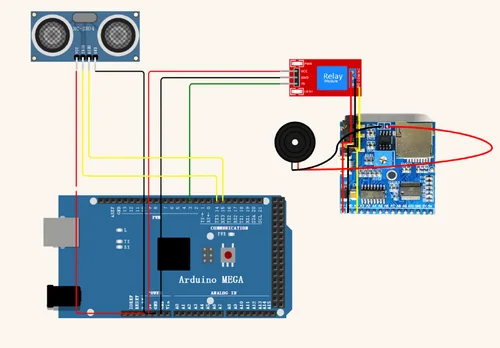
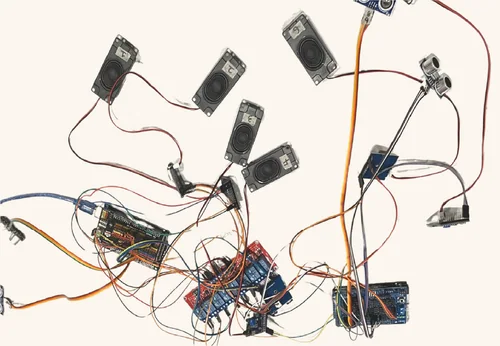
Built with an Arduino Mega board, ultrasonic sensors, an MP3 module and a channel relay. When the sensor detects a distance of less than 20, the relay triggers playback.

Wiring diagram: an Arduino Mega connected to an ultrasonic sensor, a relay, an MP3 module and a speaker
The audio player hardware laid out: several speakers and sensors joined by loose wires

Reading achievement stickers

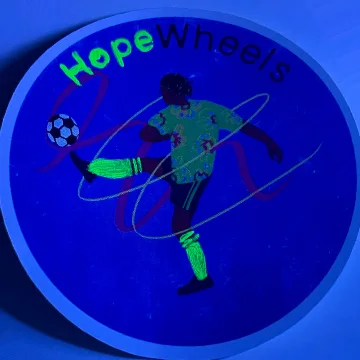
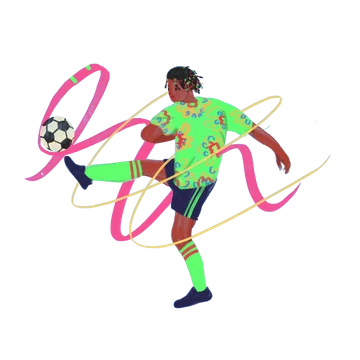
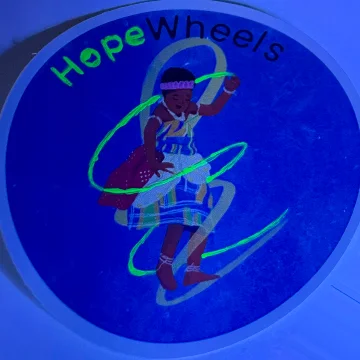
The two sticker designs draw on African culture and capture the energy of youth. They’re an incentive for steady reading habits and taking part in library activities. Collected stickers can be exchanged for real rewards like nutritious snacks, educational materials and sports products.

The stickers are made of a fluorescent material that glows green in the dark, highlighting HopeWheels’ features and lighting pathways for visibility and safety.

Hygiene Heroes

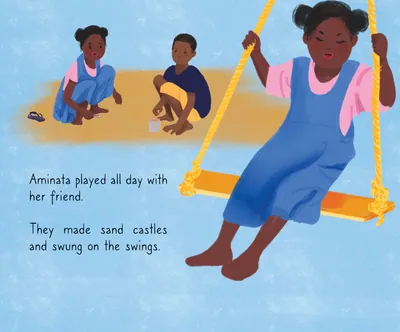
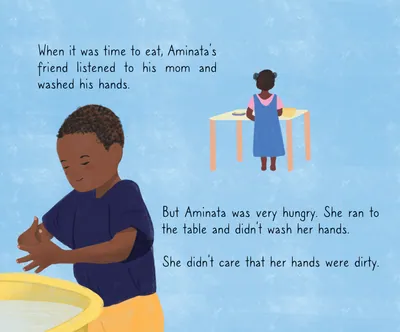
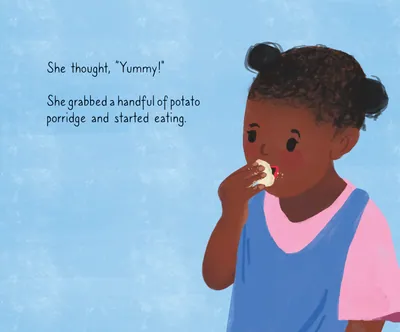
An educational play kit that teaches children the importance of personal hygiene. It includes germ-simulation powder for hand-washing demonstrations, a UV light to reveal “germs” and materials to make homemade soap. An illustrated booklet explains the science behind brushing teeth, washing hands and bathing.

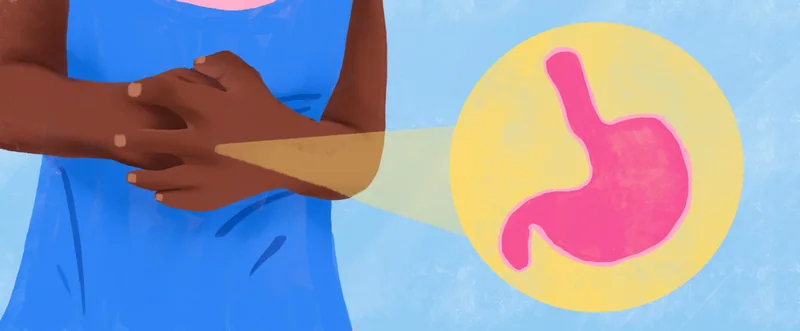
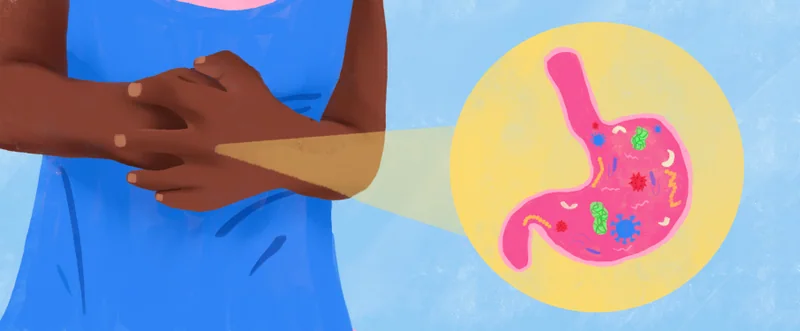
The booklet comes with a filter lens that reveals hidden elements. Flipping through, children see Aminata’s daily life; viewed through the lens, the same scenes reveal hidden germs and bacteria. The surprise makes reading more fun and shows how germs spread and why hygiene prevents illness.

Booklet page: Aminata holds her tummy, and a yellow circle shows her stomach looking normal
Booklet page: Aminata plays with her friend, making sand castles and swinging on the swings
Booklet page: her friend washes his hands, but Aminata runs to the table without washing hers
Booklet page: Aminata eats a handful of potato porridge

User Journey

Knowledge fuel stop for everyone

  1. 1 Awareness

    The library’s arrival is advertised through community announcements, local schools, word of mouth, social media, flyers or posters.

  2. 2 First interaction

    The library arrives at a designated station in the user’s village or nearby.

  3. 3 Orientation

    Library staff greet the user, explain how the library works and share information on memberships, borrowing and other services.

  4. 4 Exploration

    The user browses books and other resources, reads in the library, or joins a workshop or event.

  5. 5 Borrow books

    The user checks out books to take home, or stays at the station to learn onsite.

  6. 6 Engagement

    Taking part in library workshops, community events or online learning platforms.

  7. 7 Feedback

    Returning borrowed materials at the next visit and writing suggestions for improvement.

  8. 8 Continued use

    A reward system encourages regular visits and continued learning.

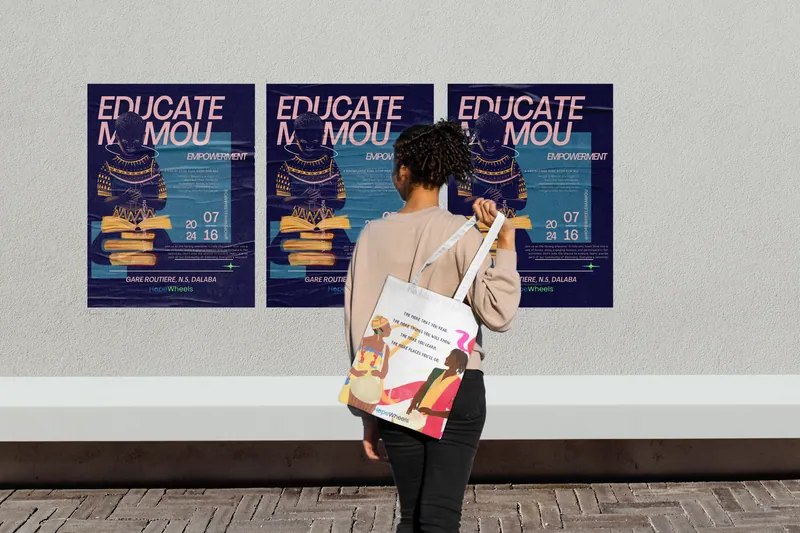
A woman with a HopeWheels tote bag looks at three EDUCATE MAMOU posters on a wall

Untraditional library, different experience

Unlike traditional libraries, it travels to different locations, so it’s accessible. It offers tailored content and services and adapts to specific needs. Through workshops, educational programs and community events, it builds a sense of ownership and participation.

04

Testing

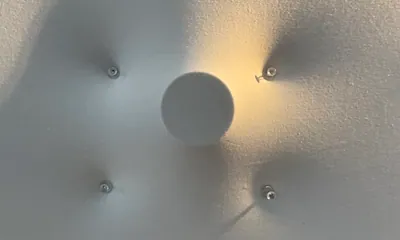
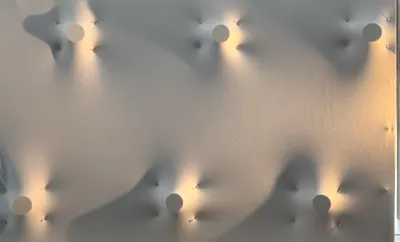
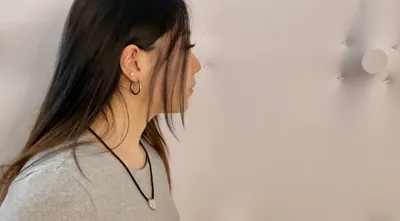
Audio player tests

A white wall with a round disc set into it, lit from the side
The white wall in low light, with several discs casting shadows
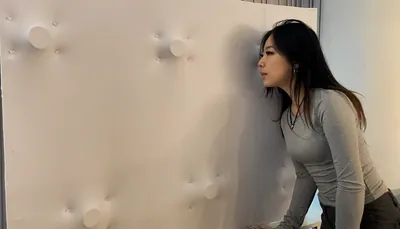
A woman leans close to the wall to listen at a disc
The same woman stands at the wall, her ear near a disc

Audiobook snippet scripts

NOW PLAYING

Sara’s Secret in the Schoolyard

Read the full script

Narrator’s voice: playful and intriguing

“Join us in ‘Sara’s Secret in the Schoolyard’, a tale where each classroom holds a clue, and every hallway whispers a hint. Sara, an inquisitive and resourceful 11-year-old, uncovers an old riddle hidden in a forgotten textbook, pointing to a secret right within the walls of her school.”

Background: sounds of a bustling schoolyard, distant laughter, and the ringing of a school bell

“Equipped with her notebook and a keen sense of curiosity, Sara embarks on a mission. Each period offers a new piece of the puzzle, from the science lab’s mysterious formulas to the enigmatic verses in the library’s oldest book. But this is no ordinary school; it’s a place where history and mystery meet in the corridors.”

Sound effect: the echo of footsteps in the hall, the turning of pages in the library

“The riddle leads Sara to the school’s legendary clock tower, long off-limits to students. ‘What has been hidden here for decades?’ Sara wonders, her mind racing with possibilities. She tiptoes up the spiral staircase, each step bringing her closer to the school’s best-kept secret.”

“What will Sara discover in the clock tower’s shadowy heights? And what story does the old schoolyard riddle yearn to tell? Uncover the hidden tales of the school with Sara, and unravel the mystery yourself, only at the HopeWheels Library, come and find it at section C, number 67.”

NOW PLAYING

The Story of a Music Star

Read the full script

Narrator’s voice: friendly and inviting

“In a busy city, under bright lights, there was a singer named Melody. She had a big dream and a voice that could make people feel all sorts of emotions. Melody started singing in small places but dreamed of performing on big stages for lots of people.”

Background: gentle guitar music

“This story isn’t just about being famous. It’s about how Melody’s songs touched people’s hearts. Melody believed that music is more than just singing. It’s about sharing feelings and stories.”

Sound effect: soft hum of a melody

“But Melody faced tough times too. What kept her going when things got hard? How did she hold on to her dream? Let’s follow Melody’s journey, full of ups and downs, and find out how she chased her love for music.”

“As Melody steps up for a very important show, there’s a big question: will the tough times hold her back, or will her music shine through stronger than ever? Hear Melody’s whole story in ‘Melody’s Dream’, right here at your HopeWheels Library, available in section A, number 493.”

Fade out with guitar music

NOW PLAYING

Benny the Brave Little Bear

Read the full script

Narrator’s voice: warm and cheerful

“Deep in the Whispering Woods, there lived a little bear named Benny. Benny wasn’t just any bear; he was brave and full of adventure. Every day, he set out on a new journey, ready to discover the secrets of the forest.”

Background: sounds of a gentle breeze and birds chirping

“Benny loved making friends. From the wise old owl to the busy beavers, everyone in the forest knew Benny. But one day, Benny heard about a hidden waterfall that no one had ever found. ‘I want to find it,’ Benny decided, his eyes sparkling with excitement.”

Sound effect: the rustling of leaves and a soft footstep

“With his backpack and his favorite honey sandwich, Benny started his journey. But the Whispering Woods were full of surprises. How would Benny find the waterfall? What friends would he meet along the way? And what magical moments would he find in the heart of the woods?”

“As Benny follows the clues to the hidden waterfall, he learns that being brave is about more than just adventures; it’s about helping and caring for his friends too. Will Benny find the waterfall? What stories will the woods reveal? Discover all of Benny’s adventures in ‘Benny the Brave Little Bear’, waiting for you at the HopeWheels Library section C, number 17.”

Fade out with gentle forest sounds

NOW PLAYING

The Dark Child

Read the full script

Narrator’s voice: gentle and inviting

“Welcome to the story of Camara Laye, a boy from a small village in Guinea. His story, ‘The Dark Child’, takes us on a journey through his life, filled with family love, traditions, and big dreams.”

Background: gentle sounds of a village, with people and nature

“Camara’s days are full of learning from his family and playing with friends. He learns about life by watching the stars with his father and helping in the fields. But deep inside, Camara dreams of places far away and wonders what life is like beyond his village.”

Sound effect: soft sounds of nature, a gentle breeze

“As Camara grows up, he starts thinking about these dreams more and more. How can he keep loving his village while also exploring new places? His heart is torn between the home he loves and the adventures he imagines.”

“What will Camara choose? Will the love for his village guide him, or will he follow his dreams to new places? To find out, come along on Camara’s journey in ‘The Dark Child’, ready for you to discover at the HopeWheels Library section B, number 229.”

Fade out with soft, uplifting music

05

Outcome

DEMO

HopeWheels

Audio players on the vehicle’s outside wall play short snippets at different heights.

WHAT I LEARNED

Angie’s reflection goes here.