Rover
Connects owners with sitters, walkers and caretakers; easy booking, large network.
But limited focus on pets’ unique needs and no medically trained professionals.


The Afternoon Edition · FEATURE
TODAYSERVICE DESIGN


01
Where it started
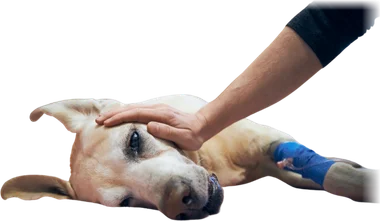
When my friend told me her dog was sick and she couldn’t be around all the time to take care of her, I suggested hiring a caregiver, the way you would for a person. I started searching for resources, but most services were not made for sick, elderly pets. That gave me the motivation and some ideas.
All existing services focus on helping owners care for their pets on their own. But many of us are already overwhelmed, and we need other people’s support with the daily challenges.
02
Empathy with users
The global pet services market was USD 24.92B in 2022, with a 9.21% compound annual growth rate from 2023 to 2030 (Grand View Research).
REVIEWS
Connects owners with sitters, walkers and caretakers; easy booking, large network.
But limited focus on pets’ unique needs and no medically trained professionals.
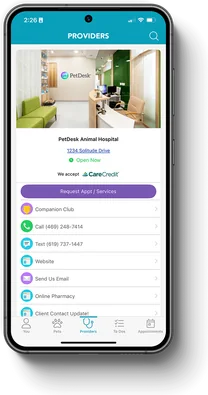
Tracks appointments, medication and health tasks.
But no care while owners are away.

GPS tracker with health monitoring.
Monitors, but doesn’t provide care.
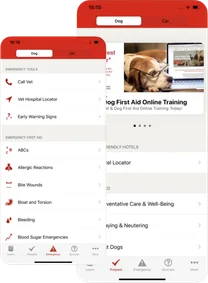
Emergency and first-aid resources.
No full care management.
Caregivers and nurses provide assistance to elderly and sick people, but what about pets?
I began with three close friends, whose interviews gave me qualitative data on the struggles of elderly pet owners. Pets are like children to them; they can’t simply leave the house without worrying, especially when their pets are sick. As a pet owner myself, I relate: even though my dog is still young and healthy, I worry about how I would care for her if she lost her eyesight or had trouble walking.
I gathered more stories and analyzed their frustrations. One common thread: owners feel tied to their homes. They can’t leave their pets alone or trust someone else to care for them, worried others won’t understand the pet’s condition or handle an emergency.
Showing 18 of 18 stories
Shiba Inu · 15 · kidney problem, brain function decline


Flora changes pee pads, washes bedding and walks him at least three times a day, using a waterproof bed, large pee pads and a mobility aid.
Labrador · 12 · arthritis


Daily joint supplements, gentle walks; ramps added at home.
Cat · 14 · kidney disease
Gives fluids daily, monitors hydration and appetite in a notebook, adjusted her diet.
Cat · elderly · severe arthritis
Steps and heated bedding for pain relief and comfort.
Poodle · senior · glaucoma
Reorganized the home for safety; uses verbal cues and a harness.
Bichon · 10 · heart disease
Daily medication, avoids strenuous activity, watches for distress.
Golden Retriever · 13 · hip dysplasia
Supportive harness on walks, joint supplements, daily hip massage.
Cat · 15 · hyperthyroidism
Medication twice daily, weight monitoring, special diet in small, frequent meals.
Dachshund · 11 · arthritis


Carries him on stairs; ramps around the house.
Bichon · 13.5 · leg arthritis, ligament issues


Developed arthritis after chasing a rabbit; daily medication and careful monitoring.
Cocker Spaniel · 12 · ear infections
Daily ear cleaning and medication; keeps ears dry.
Poodle · 14 · diabetes
Insulin twice a day, blood sugar checks, strict feeding schedule, moderate exercise.
Toy Poodle · 13.5 · vision loss, Addison’s disease


Manages care while working full-time; feeds morning and night and gives the medicine that keeps Niuniu alive.
Cat · 17 · kidney disease
Subcutaneous fluids every other day, kidney-friendly diet, multiple water stations.
Mixed breed · 16 · cognitive dysfunction syndrome
Strict routine, puzzle toys, calming music, short regular walks.
Cat · 11 · respiratory issues
Humidifier, medication as needed.
Golden Retriever · 12 · cancer
Pain medication and supplements, gentle walks, quiet space, adjusts diet.
Labrador · 15 · arthritis & deafness
Hand signals, supplements and medication, short walks, ramps.
TYPE OF CASES
SOLUTION DIRECTION
Chart of case types flowing to needs and solution directions. Arthritis leads to medical management. Kidney disease and diabetes lead to medical management and emotional support. Cancer and cognitive dysfunction lead to emotional support. Respiratory and mobility lead to physical support. Other leads to all three. Medical management leads to medication administration, dietary needs and pet anxiety. Physical support leads to mobility aids and exercise. Emotional support leads to medication administration, owner’s emotional strain and pet anxiety. Dietary needs, mobility aids and pet anxiety lead to toolkit-based solutions. Medication administration, exercise, owner’s emotional strain and pet anxiety lead to service-based solutions.
 Toolkit-basedManage care yourself.
 Service-basedGet expert help.
03
Two ways to care
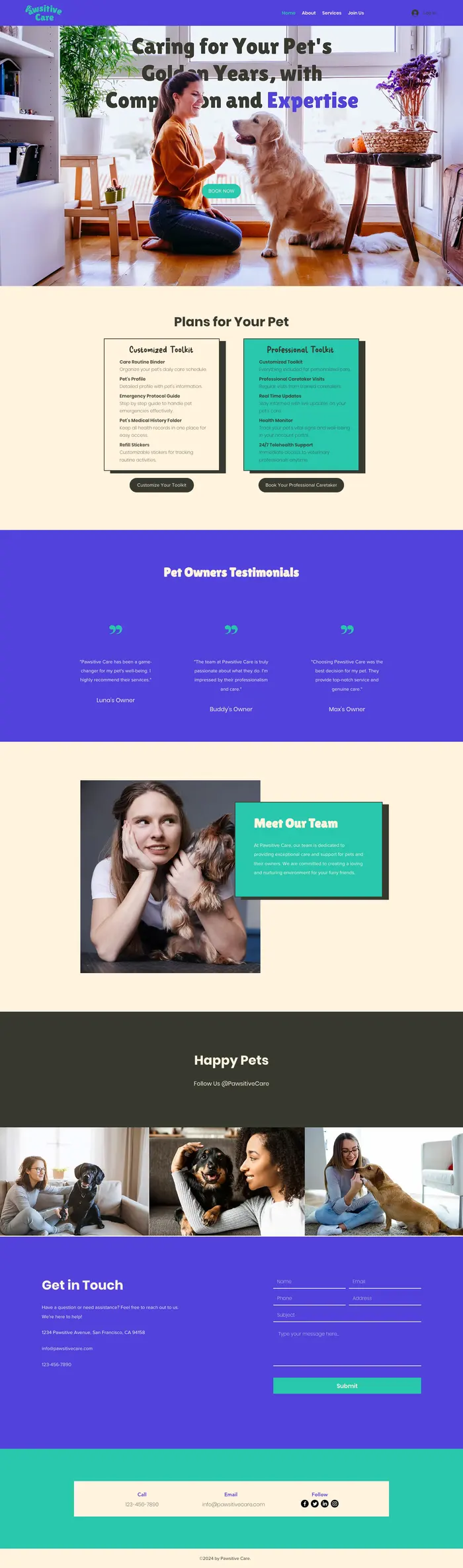
Owners choose between two plans: a Basic Care Toolkit for owners managing care themselves, or a Service Care plan with the toolkit plus professional support.
USER JOURNEY

Owners discover the toolkit and service plan through social media or vet recommendations.

Buy and customize the toolkit, or choose the service plan and schedule visits.

Owners receive a customized toolkit and master its use.Owners also get a specialist matched to their pet’s needs.
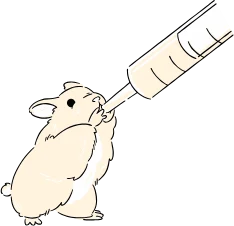

Toolkit users manage care independently.Service users get scheduled caretaker visits with real-time updates.

Surveys or consultations lead to adjustments.

Toolkit users get refills and discounts.Service users renew and earn loyalty rewards.
 Pawsitive Companion
 Pawsitive Guardian
 Pawsitive Specialist
A DIVERSE TEAM
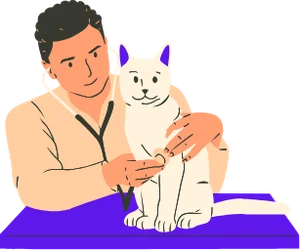 Certified veterinary technicians
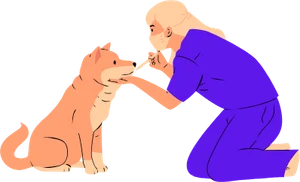 Experienced pet care specialists
 Behavioral specialists
| Evidence | Website | Confirmation Email | Care Toolkit | Professional Caretaker | Real Time Updates | |
|---|---|---|---|---|---|---|
| Customer journey | ||||||
| Line of interaction | ||||||
| Front stageEmployee actions | Review Pet Profile | Prepare Package | Provide Care | Update Owner | Customer Support | |
| Technology | Sign Up & Scheduling Platform | Generate Personalized Toolkit | Real Time Notification System | Telehealth Access | ||
| Line of visibility | ||||||
| Back stage | Scheduling System | Data Management | Caretaker Support | Caretaker Profile Review | 24/7 Telehealth | |
| Line of internal interaction | ||||||
| Support processes | Shipping Company | Manufacturer | Continuous Training | |||
What’s in the box
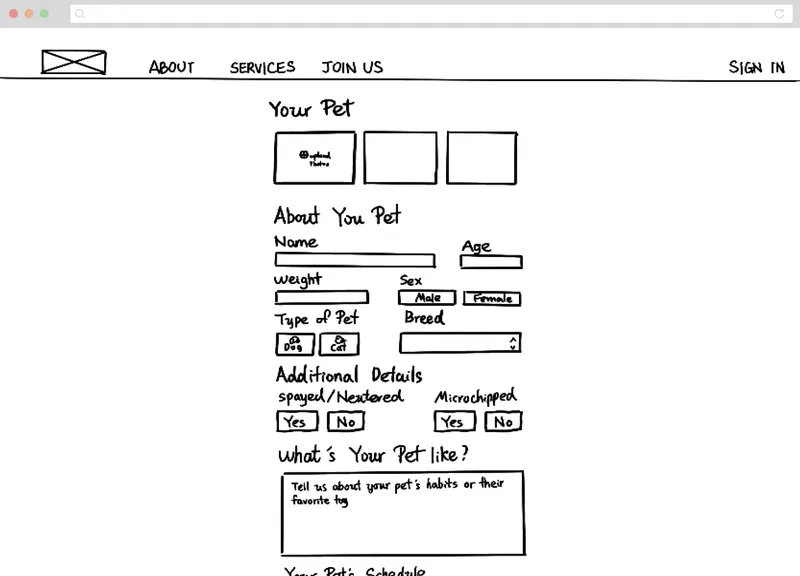
The Pawsitive Care toolkit box, with a meadow illustration on its lid, holds seven items.

Care routine binder Daily routine, feeding times, medication schedules, care instructions.

Medical history folder Medical records and vaccination history.
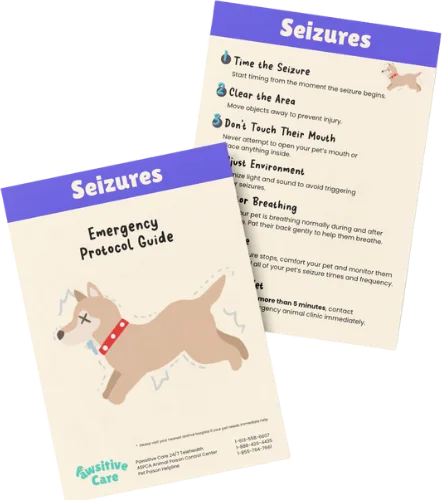
Emergency protocol guide Step-by-step cards for emergencies relevant to the pet.

Pet’s profile card Habits, preferences, health conditions and triggers.
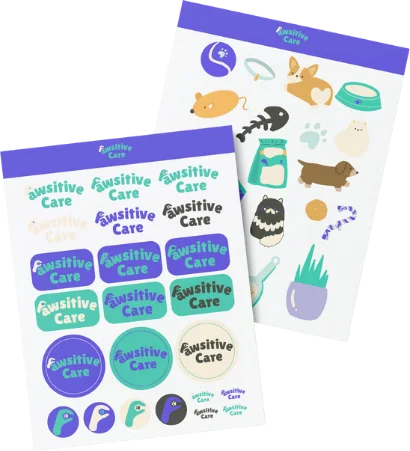
Stickers Task, status, positive-reinforcement and decorative stickers for the binder.
Sticky notes For owners and caretakers.

Thank-you note
“At Pawsitive Care, our membership platform is all about giving pet owners the peace of mind they deserve: real-time updates on your pet’s activities, medication and health, and detailed health reports.”
Recruiting caretakers: “We’re on the lookout for kind-hearted and skilled individuals to join our team.”
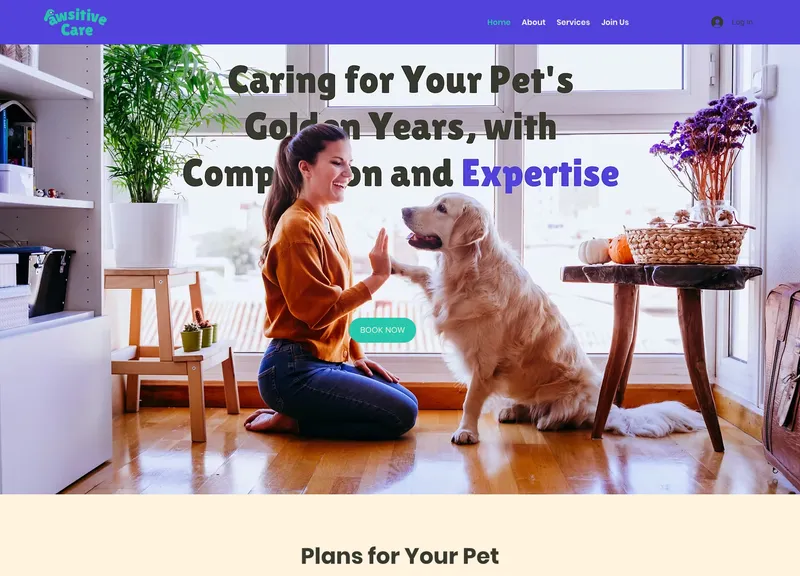
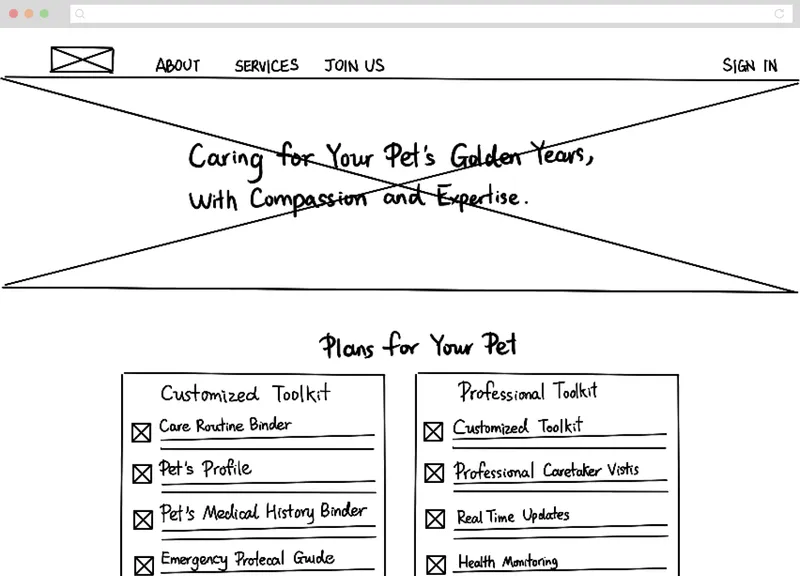
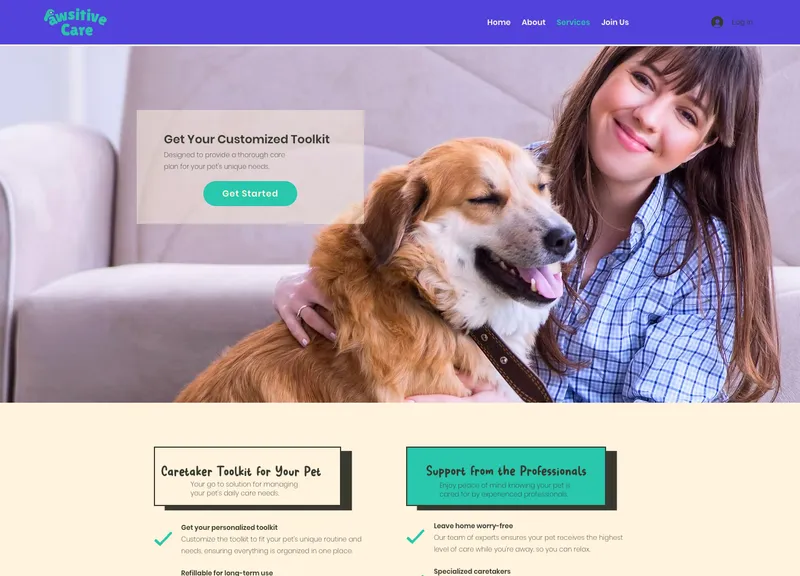
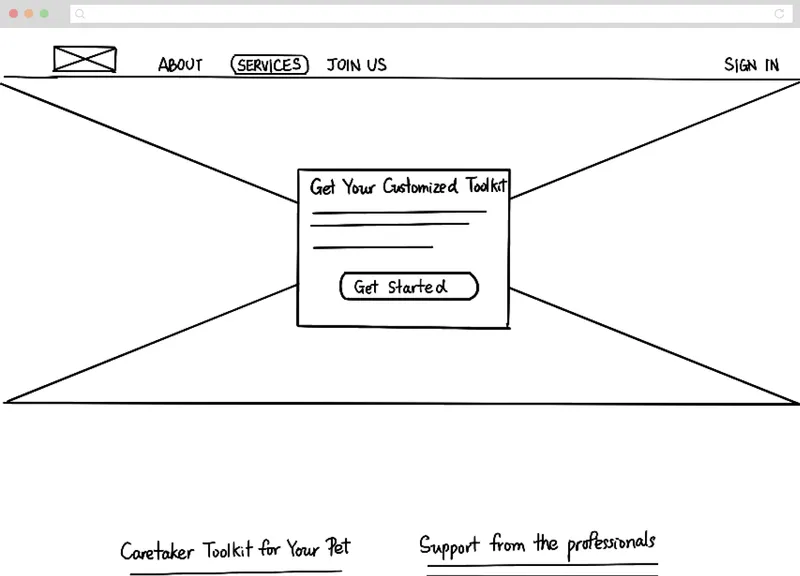
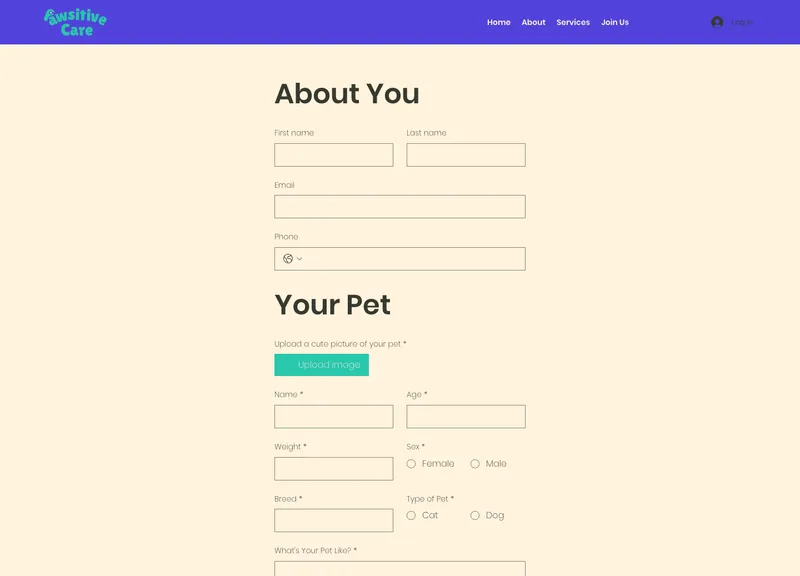
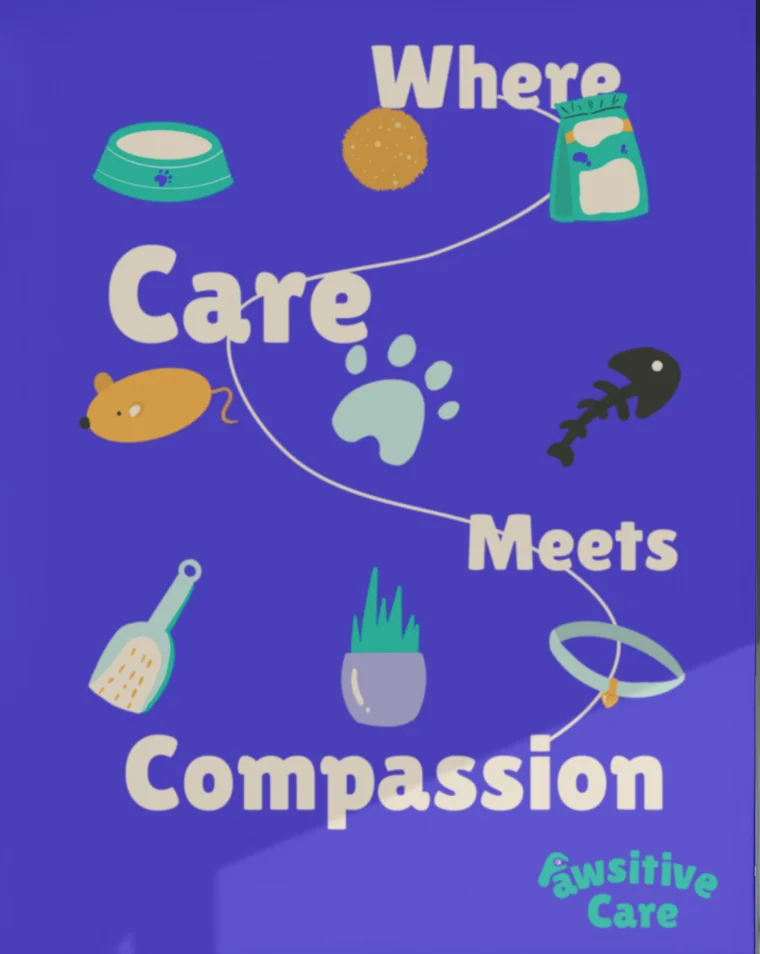
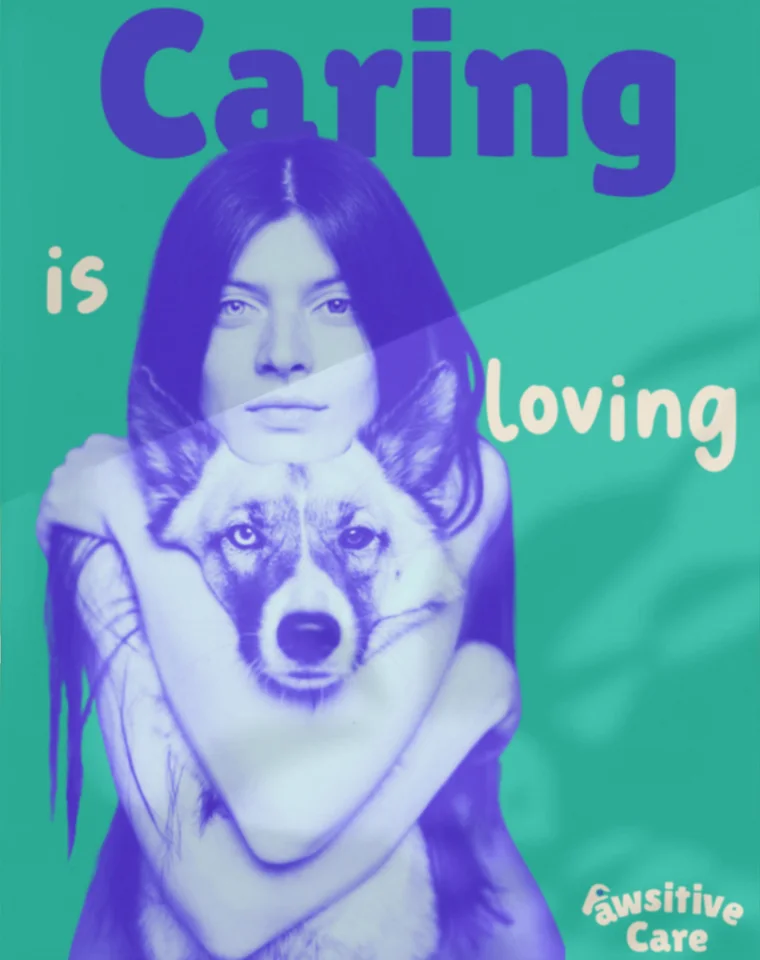
Two subway posters: “Where care meets compassion” and “Caring is loving.”
04
Letters to the editor
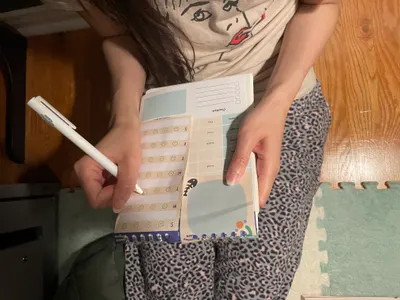
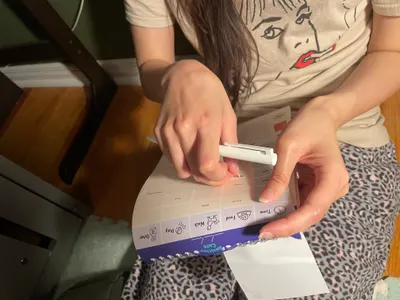
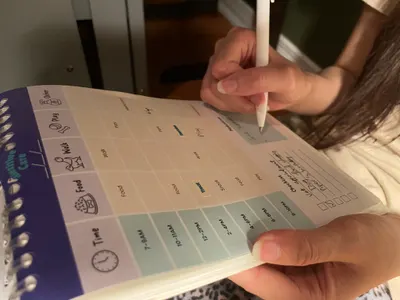

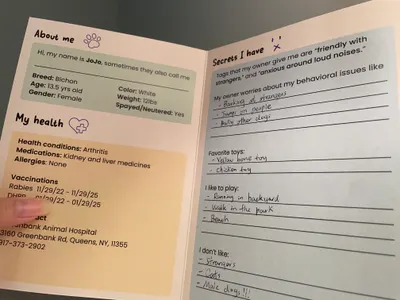

What did you like about the toolkit?
“I love the care routine binder’s design. It stands up on its own, making it easy to access content. The pet profile booklet is my favorite since it keeps all of Pipper’s information in one place. Especially when I need someone to look after him, this saves me from having to explain everything each time.”
Any suggestions for improvement?
“My suggestion is to improve the paper texture in the care routine binder. Although it is smooth, it is not suitable for writing on. And maybe consider increasing the size of the binder. Since it can stand upright, a larger size would make it easier to see everything on the schedule.”
05
Angie’s reflection goes here.